Living Room Decor Ideas: 10 Easy Ways to Create a Stylish and Comfortable Salon
A comfortable salon is more than a beautiful sofa. It is the room where the home slows down, conversations last longer, and everyday life feels a little easier.…
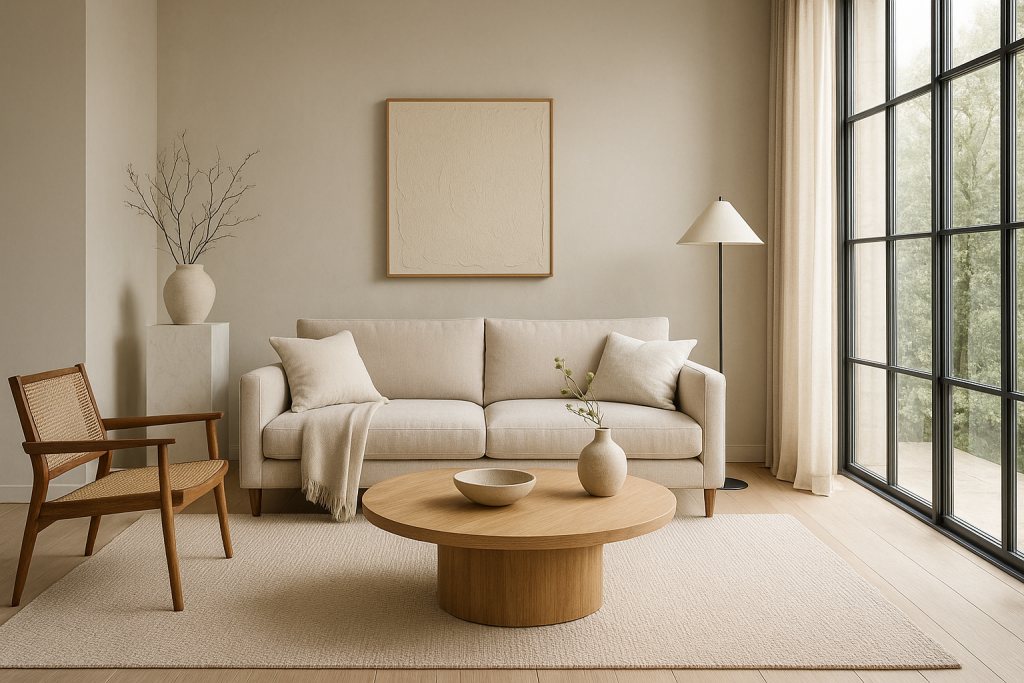
A comfortable salon is more than a beautiful sofa. It is the room where the home slows down, conversations last longer, and everyday life feels a little easier. The best living room decor ideas combine practical planning with personality, so the space looks polished without feeling cold or difficult to maintain.
Start with the room’s foundation
Before buying cushions, artwork, or decorative objects, study the room itself. Measure the main walls, note the position of doors and windows, and observe how daylight moves from morning to evening. These details determine where the sofa can sit, how large a rug should be, and whether a dark accent wall will feel dramatic or simply heavy.
A useful living room scheme usually contains three visual layers: a large anchor, medium-scale supporting pieces, and small accents. The anchor may be a sofa, a media wall, or a fireplace. Supporting pieces include chairs, a coffee table, a console, and shelving. The smallest layer is made from lamps, books, bowls, textiles, and plants. When every object is the same size, the salon feels flat; when the layers are balanced, it feels intentional.
Choose a layout that supports real life
The most attractive layout is the one that matches how the room is used. If the salon is mainly for conversation, angle two chairs toward the sofa and keep the coffee table within easy reach. If the room is used for films and games, place the seating toward the media wall while keeping the screen at a comfortable viewing height. In a family room, use durable upholstery and keep sharp-edged tables away from the main circulation path.
Do not push every piece of furniture against the walls automatically. In a medium or large room, floating the sofa slightly away from the wall can create a stronger seating zone and make the space feel more considered. In a small room, however, a slim sofa aligned with the longest wall may preserve more floor space. The goal is not to follow a rule blindly; it is to create clear zones without blocking light or movement.
Build a calm, memorable color palette
Neutral living rooms do not have to be boring. Cream, sand, warm white, and light wood create a flexible base, while one or two deeper tones add depth. Olive green works beautifully with natural materials, terracotta adds warmth, and charcoal can give a contemporary room a stronger outline. Repeat an accent color in at least three places—perhaps a cushion, a framed print, and a ceramic vase—so it looks deliberate rather than accidental.
When choosing paint, test a sample on more than one wall. The same beige can look pink in warm evening light and gray beside a north-facing window. For a renter-friendly refresh, textiles and artwork offer color without a permanent commitment. A large rug or a pair of curtains can change the mood of the room faster than a collection of small accessories.
Layer the lighting
One ceiling fixture rarely gives a salon the atmosphere it needs. Combine general light, task light, and accent light. A ceiling pendant or recessed light provides the base; a floor lamp beside a reading chair supports a specific activity; table lamps and wall sconces create a softer evening layer. Concealed lighting behind shelves or beneath a console can highlight architecture without making the room feel overdecorated.
Use bulbs with a warm color temperature for a relaxed living space, and avoid placing a very bright light directly above the seating area. Lampshades made from linen, paper, or textured fabric soften the glow. If the room has a television, keep strong reflections away from the screen and use side lighting instead of a light positioned directly behind the viewer.
Make storage part of the design
Good storage is one of the quietest ways to make a living room look expensive. A low media console hides cables and remote controls, closed baskets collect blankets, and floating shelves keep books and objects off the floor. Mix open and closed storage: open shelves add personality, while doors protect the room from visual noise.
Keep display areas edited. Three or four meaningful objects usually look better than a shelf filled from end to end. Vary height with books, a vase, a framed print, and a trailing plant. Leave some empty space around each group so the eye has somewhere to rest.
10 living room decor ideas that make an immediate difference
1. Make a textured sofa the anchor

A cream or oatmeal sofa can become a sophisticated base when it is supported by tactile materials. Add a wool rug, linen cushions, a soft throw, and a natural wood table rather than relying on matching furniture sets. The variation in texture gives a neutral palette depth and makes the room feel inviting in both daylight and evening.
2. Use a feature wall with purpose

A feature wall should support the room’s function, not compete with it. Vertical wood slats can visually raise a low ceiling, while a calm painted wall can make artwork or a television feel more integrated. Keep the surrounding furniture simple and hide as many cables as possible so the feature remains clean.
3. Give a small salon a lighter footprint

In a compact room, choose furniture with visible legs, a round or nesting coffee table, and a rug that defines the seating area without swallowing the floor. A large mirror opposite a window can distribute daylight, but it should reflect something attractive—not a cluttered corner. Keep the palette light and use one dark accent for definition.
4. Add timeless shapes and architectural softness

Timeless rooms often depend on proportion more than trend. An arched window, a framed landscape, or a traditional rug can provide character, while a simple sofa prevents the space from feeling heavy. Repeat one historic tone in a cushion or ceramic piece, then keep the remaining accessories quiet.
5. Be confident with one strong color story

Color becomes easier to manage when it has a clear hierarchy. Let one shade lead, let a second shade support it, and use neutrals to create breathing room. A navy sofa with terracotta chairs can feel elegant when the artwork, rug, and accessories repeat small notes of the same colors instead of introducing a new shade in every corner.
6. Try a warm minimalist or Japandi approach

Minimalism works best when it is warm rather than empty. Choose a few high-quality pieces, use natural wood and linen, and keep the decorative palette restrained. A single sculptural plant or handmade ceramic can have more impact than many small ornaments. The result is a salon that feels calm without looking unfinished.
7. Use contrast to create an evening mood

A moody living room does not need to be gloomy. Charcoal or deep green walls become inviting when paired with warm lamps, caramel leather, cream textiles, and reflective bronze details. If the room receives limited daylight, paint only one wall or use a deep color in the built-in shelving rather than covering every surface.
8. Layer natural textures for a relaxed salon

A relaxed bohemian look is built from layers, not random clutter. Start with a simple sofa, then add one patterned rug, one woven chair, a textured pendant, and plants with different leaf shapes. Keep the background neutral so the patterns can work together. Edit the final arrangement until every object has a role.
9. Refresh a rental without permanent changes

Renters can make a major visual change through removable wall treatments, large artwork, curtains, lighting, and furniture placement. A second-hand wood table can become a focal point after light cleaning and styling. Choose accessories that can move with you, and spend first on pieces that improve comfort as well as appearance.
10. Finish with a practical, balanced arrangement

The finished room should look good from more than one angle. Check the view from the entrance, the sofa, and the hallway. Make sure artwork is hung at a comfortable eye level, the rug connects the main furniture, and the coffee table leaves enough clearance around it. A few personal objects—books, travel finds, or family ceramics—will make the room feel like a home rather than a showroom.
Common living room decorating mistakes to avoid
- Buying furniture before measuring: a sofa that is too deep can make a narrow room impossible to use.
- Using one light source: flat overhead lighting removes warmth and makes evening relaxation less comfortable.
- Choosing a rug that is too small: at least the front legs of the main seating should connect visually to the rug.
- Overfilling shelves: decoration needs empty space to look intentional.
- Mixing too many unrelated colors: repeat a limited palette instead of introducing a new accent in every object.
- Ignoring daily maintenance: select washable covers, durable materials, and storage that matches the household’s routine.
A realistic budget-friendly makeover plan
You do not need to replace the whole salon at once. Start with the change that affects the largest visual area: rearrange the furniture, paint one wall, or add a properly sized rug. Next, improve the lighting and window treatment. Only after these foundations are working should you buy decorative accents.
- Measure the room and sketch two layouts.
- Choose one base color and two accents.
- Set a maximum spend before shopping.
- Buy fewer, better-sized pieces.
- Mix new items with vintage or second-hand finds.
- Review the room after living with it for a week.
This approach protects the budget and prevents impulse purchases. The strongest living room designs are usually edited over time: one useful lamp, one comfortable seat, one meaningful piece of art, and one texture at a time.
Frequently asked questions
What is the easiest way to improve a living room?
Start with furniture placement, lighting, and textiles. Moving the seating into a clearer conversation area, adding a warm lamp, and using a well-sized rug can change the room before you buy any large furniture.
Which colors work best in a small salon?
Warm whites, light beige, soft sage, and pale wood are flexible choices. Add contrast through black details, artwork, or one deeper accent color rather than using many dark surfaces.
How do I make a neutral living room more interesting?
Use contrast in texture and shape: boucle or linen upholstery, a wool rug, natural wood, handmade ceramics, greenery, and artwork with a restrained accent color.
Should the living room rug go under the sofa?
Ideally, the front legs of the sofa and chairs should sit on the rug so the seating group feels connected. In a very small room, placing only the front legs on the rug can still work.
How many decorative objects should I display?
There is no fixed number, but small groups of three or five objects with different heights usually look more balanced than a shelf filled edge to edge. Leave visible breathing room.
Great salon decor is not about copying one trend. It is about understanding the room, choosing a clear palette, respecting movement, and adding layers that support everyday life. Whether you prefer warm minimalism, classic elegance, bold color, or relaxed natural textures, a thoughtful plan can turn the living room into the most welcoming space in the home.