Bathroom Decor Ideas: 10 Stylish Ways to Create a Calm Home Spa
A well-designed bathroom can feel like a private home spa, even when the room is small. The secret is not filling the space with expensive features; it is…
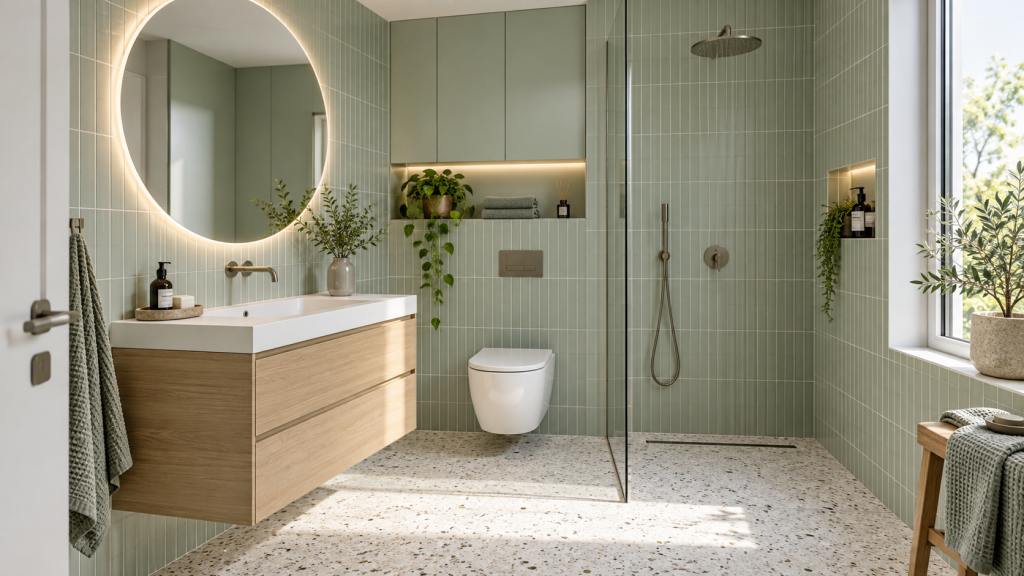
A well-designed bathroom can feel like a private home spa, even when the room is small. The secret is not filling the space with expensive features; it is choosing the right layout, durable materials, calming colors, useful storage, and lighting that changes with your routine. These bathroom decor ideas will help you create a room that looks beautiful and works well every day.
Plan the room before decorating
The most expensive bathroom mistakes usually happen before the first tile is installed. Start by measuring the room carefully, including the position of the door, window, plumbing points, radiator, and ventilation fan. Draw the main fixtures to scale and leave enough clearance to open doors, use the vanity, and move comfortably between the shower and toilet.
Think about the bathroom as a sequence of zones. The vanity is the first area you see and often the hardest-working part of the room. The shower or bath is the wet zone, while storage should sit where it can be reached without blocking movement. Keeping these roles clear makes even a compact room feel calmer.
Choose practical materials that still look refined
Bathroom surfaces need to handle water, humidity, cleaning products, and frequent use. Porcelain and ceramic tiles are popular because they are durable and easy to maintain, while stone-look finishes offer the character of natural stone with simpler care. For a vanity, sealed wood veneer, painted moisture-resistant board, or compact laminate can provide warmth without becoming difficult to protect.
Do not choose materials only from a small sample. Look at them under the actual bathroom lighting and place several samples beside one another. A beige tile can feel warm beside oak but dull beside a cool white basin. The best schemes balance hard surfaces with soft details such as cotton towels, a woven stool, a washable mat, and a linen-style shower curtain where appropriate.
Create a calming color palette
Warm white, sand, pale gray, sage, and muted blue are reliable choices for a bathroom because they reflect light without feeling clinical. If you want more drama, use charcoal, forest green, or deep navy on one wall or inside a shower niche rather than covering every surface. A limited palette makes the room look larger and lets the fixtures and textures become the decoration.
Metal finishes should be chosen with the same care as paint. Brushed brass adds warmth, matte black creates graphic contrast, and chrome reflects more light in a small room. Mixing finishes can work, but repeat each finish enough times to look intentional. For example, brass in the faucet, mirror frame, and wall light creates a cohesive thread.
Layer the bathroom lighting
Bathroom lighting should support several moments: applying makeup, shaving, taking a shower, cleaning, and relaxing in the bath. A single ceiling light often creates shadows on the face and makes the room feel harsh. Combine general light with task lighting around the mirror and a softer layer inside niches, beneath a floating vanity, or near the floor.
Use fixtures rated for the appropriate bathroom zone and choose warm-neutral bulbs that make skin tones and tile colors look natural. A backlit mirror can provide gentle illumination, but it should not be the only light at the vanity. Wall sconces placed at face height usually create a more flattering and practical result than a light directly above the mirror.
Design storage into the room
Storage is essential to a calm bathroom. A floating vanity keeps the floor visible and makes cleaning easier, while drawers are often more useful than deep cupboards because they keep everyday products within reach. Recessed shower niches can hold bottles without adding a shelf that interrupts the tile pattern. Closed cabinets are useful for spare towels, cleaning products, and less attractive packaging.
Use trays and small containers to group the items that remain visible. A ceramic soap dish, a glass dispenser, and a folded hand towel can look like a deliberate arrangement. The goal is not to hide everything; it is to prevent many unrelated colors and labels from competing across the room.
10 bathroom decor ideas that make a noticeable difference
1. Build the room around a warm vanity

A vanity is the visual anchor of many bathrooms, so it deserves more attention than a purely functional cabinet. A floating oak design adds warmth to pale stone surfaces, while a round mirror softens the straight lines of the tile. Keep the countertop edited with one soap dispenser, a small tray, and a plant that can tolerate humidity.
2. Make a small bathroom feel more spacious

In a small bathroom, every visible edge matters. Choose a wall-mounted vanity, a clear shower screen, and large-format or quietly patterned tile to reduce visual interruptions. A vertical mirror can emphasize ceiling height, while recessed shelves provide storage without narrowing the walkway. Keep the floor as visually continuous as possible.
3. Add timeless character with classic materials

A freestanding bath or furniture-style vanity can give a bathroom a timeless quality. Balance ornate or classic shapes with simple walls and a limited number of accessories. Marble-look porcelain, walnut, and antique brass create character without requiring every element to be decorative.
4. Use a dark palette for a sophisticated spa mood

Dark bathrooms work best when they have a strong lighting plan. Charcoal microcement or deep tile can make a shower feel cocooning, while an oak vanity prevents the room from becoming visually heavy. Add warm light to niches and behind mirrors, and keep the hardware consistent so the design feels deliberate rather than busy.
5. Bring in Mediterranean texture

Handmade-looking tiles and earthy colors bring personality to a bathroom without relying on bold patterns everywhere. Pair terracotta with cream plaster, natural wood, and brass. Rounded mirrors and arched niches echo the softness of the tile edges and make the room feel more relaxed.
6. Create a practical family bathroom

A family bathroom should be attractive but forgiving. Choose surfaces that wipe clean, storage that keeps daily products organized, and a vanity with enough room for more than one person. Closed cabinets reduce visual clutter, while baskets can keep towels and smaller items easy to access without covering the countertop.
7. Turn a powder room into a design moment

Because a powder room is usually smaller and used for shorter visits, it can handle more personality than a main bathroom. Patterned wallpaper, a sculptural mirror, or a deep green wall can create a memorable first impression. Keep the plumbing fixtures simple so the feature wall remains the focus.
8. Use warm minimalism for a calm retreat

Warm minimalism depends on editing. Choose one wood tone, one stone finish, and a small number of useful objects. A pale oak vanity, stone basin, oval mirror, and woven stool can create a complete composition without filling every surface. Leave some open wall and countertop space so the room can breathe.
9. Refresh the room without a full renovation

If the layout and plumbing already work, focus on high-impact details. Paint a cabinet in dusty blue or muted green, replace dated handles, install a better mirror, and add shelves in a useful location. New towels, a washable mat, and matching dispensers can make the room feel coordinated for a relatively modest cost.
10. Create a private home spa

A spa-like bathroom is created through the senses. Use warm indirect light, quiet colors, tactile stone, soft towels, and a place to sit or rest items. Keep the visual field uncluttered and choose one or two natural accents such as a plant, wooden stool, or ceramic vessel. The result should feel relaxing rather than overly decorated.
Common bathroom decorating mistakes to avoid
- Ignoring ventilation: moisture damages finishes and creates maintenance problems when air cannot circulate.
- Choosing style before function: a beautiful basin is not helpful if it leaves no counter space for daily routines.
- Using only overhead lighting: this creates shadows and a harsh atmosphere around the mirror.
- Overfilling a small room: too many shelves, baskets, and accessories reduce the sense of space.
- Mixing too many tile patterns: use one main tile, one supporting texture, and a quiet grout color.
- Forgetting cleaning access: wall-mounted furniture and simple edges are easier to maintain over time.
A realistic bathroom makeover plan
You do not need to renovate everything at once. Start with a clear assessment: keep what works, repair what is damaged, and replace the details that make the room feel dated. A new mirror, better lighting, fresh silicone, coordinated towels, and a painted vanity can produce a strong visual improvement before any major building work.
- Measure the room and mark plumbing points.
- Choose one main tile or wall finish.
- Decide on one metal finish and repeat it.
- Improve mirror lighting before buying accessories.
- Use closed storage for spare products and towels.
- Choose moisture-resistant, easy-care materials.
Spend first on the elements that are difficult to change later: waterproofing, ventilation, plumbing, and the main tile. Save on decoration by using second-hand stools, simple ceramics, washable textiles, and plants that suit humid conditions.
Frequently asked questions
What is the easiest way to make a bathroom look better?
Improve the lighting, replace the mirror, coordinate the towels and dispensers, and remove unnecessary items from the countertop. These changes create an immediate visual improvement without changing the layout.
Which colors make a small bathroom look bigger?
Warm white, pale beige, soft sage, and light gray reflect light and keep the room visually open. Use a darker color as a controlled accent rather than covering every wall.
Is a floating vanity a good idea?
Yes, when the wall can support it and the plumbing is planned correctly. It keeps more floor visible, makes cleaning easier, and gives the room a lighter appearance.
How can I make a bathroom feel like a spa?
Use warm layered lighting, a calm palette, natural textures, soft towels, concealed storage, and a small amount of greenery. A quiet, uncluttered surface often matters more than expensive accessories.
What should I prioritize in a bathroom renovation?
Prioritize waterproofing, ventilation, plumbing, layout, and durable surfaces. Decorative pieces are easier to change later, while mistakes in the structure are expensive to correct.
The most successful bathroom designs balance beauty with routine. Choose materials that can handle real life, organize the products you actually use, and create lighting that supports both busy mornings and slower evenings. With a clear plan and a restrained palette, even a modest bathroom can become one of the calmest rooms in the home.