Small Space Decorating Ideas That Make Every Room Feel Bigger
Discover practical small space decorating ideas for living rooms, bedrooms, kitchens, studios and entryways that feel brighter and more spacious.
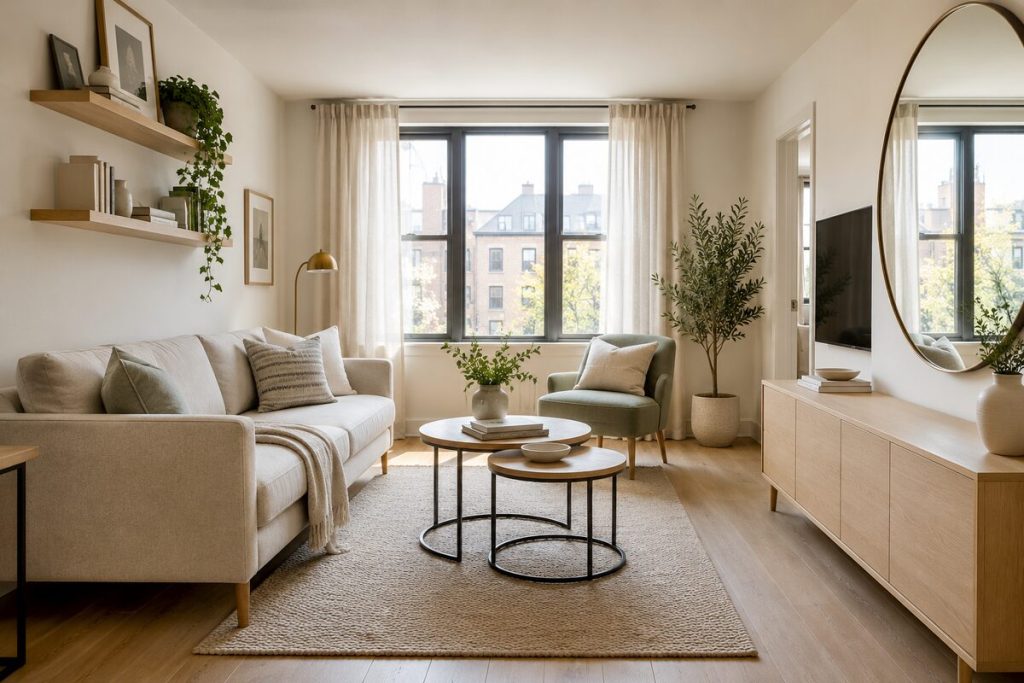
A compact home does not need to feel cramped. The best small space decorating ideas improve how a room works while making it look lighter, calmer and more open. The secret is not simply owning fewer things. It is choosing furniture with the right proportions, using walls intelligently and creating a clear visual rhythm from one area to the next.
This guide brings together practical ideas for small living rooms, bedrooms, studio apartments, kitchens and entryways. Each solution is realistic enough for an everyday home and flexible enough to adapt to renters, homeowners and different decorating styles.
Start With Scale, Not Square Footage
Small rooms often feel crowded because the furniture is too deep, too tall or placed without a clear path through the space. Before buying anything new, measure the room and mark the main circulation route. A comfortable home needs visible breathing room around key pieces, even if that means choosing one well-sized sofa instead of several small chairs.
Look for furniture with slim arms, raised legs and simple silhouettes. Seeing more of the floor creates a sense of continuity, while low-profile pieces keep sightlines open. This does not mean every item must be tiny. One appropriately scaled focal piece usually looks more intentional than a collection of undersized furniture.
Make a Small Living Room Feel Open and Comfortable
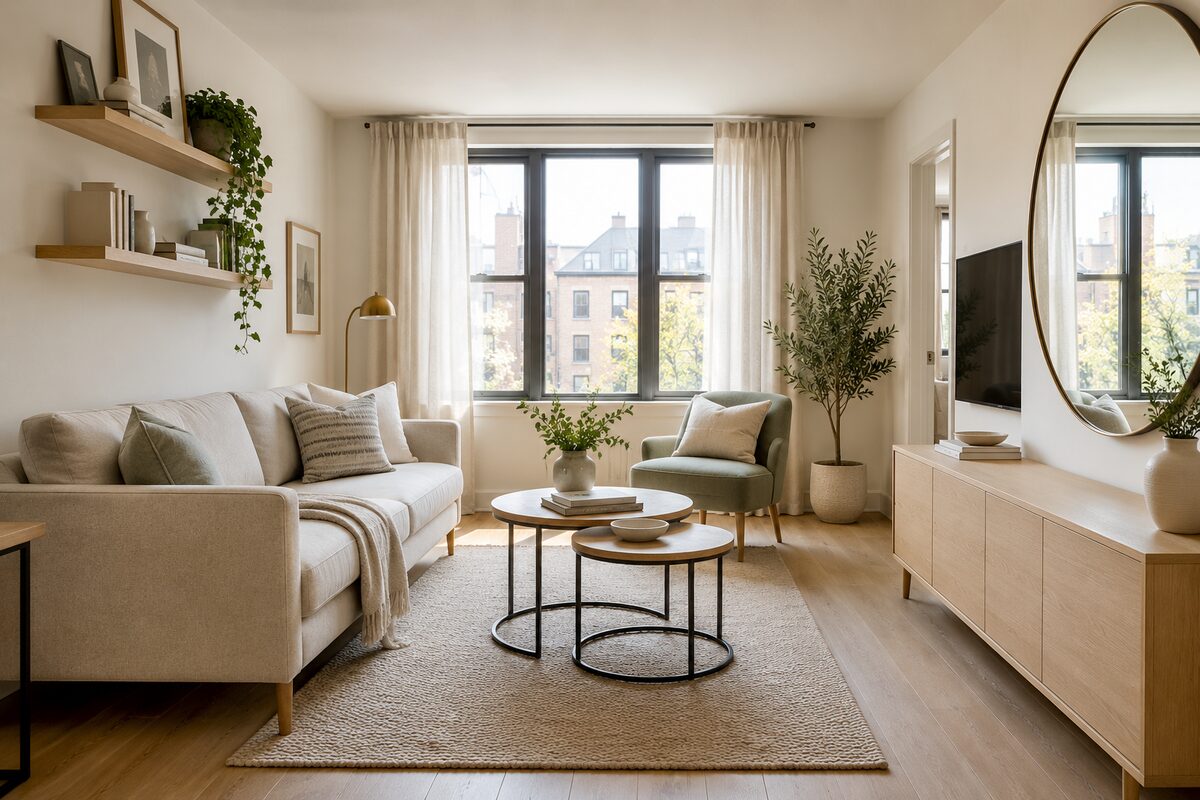
A successful small living room balances comfort with visual lightness. Begin with a compact sofa in a neutral tone, then add nesting tables instead of a bulky coffee table. The tables can separate when guests arrive and tuck together when you need more floor space.
Use a rug large enough to connect the main seating area. A rug that stops far from the furniture can visually divide the floor into smaller fragments. Wall-mounted shelves provide display space without occupying the footprint of a bookcase, while a large mirror positioned near natural light helps distribute brightness around the room.
- Choose furniture with visible legs to expose more floor.
- Keep the main walkway free of side tables and plant stands.
- Repeat two or three colors rather than introducing many unrelated accents.
- Use closed storage for everyday clutter and open shelving for a few attractive objects.
A common mistake is pushing every piece against the wall. In some layouts, moving the sofa slightly forward creates a more deliberate seating zone and leaves space for a narrow console behind it.
Build Storage Into a Compact Bedroom
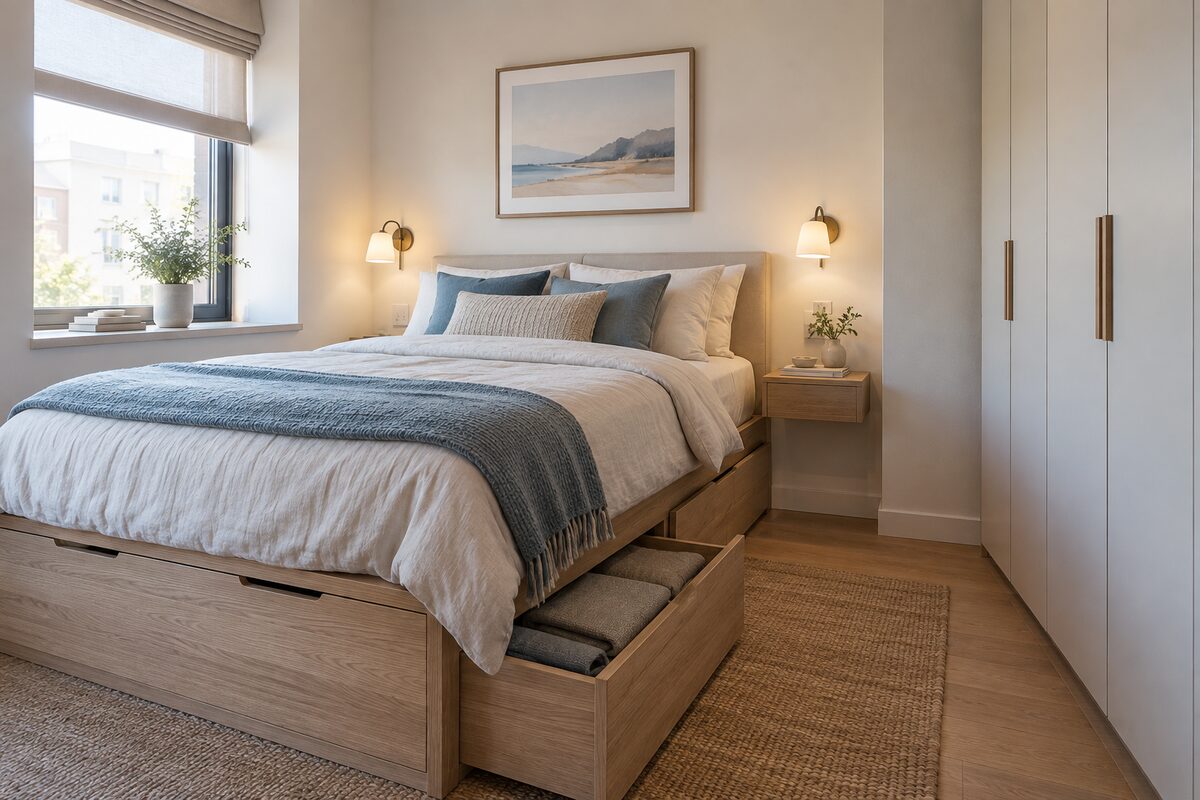
In a small bedroom, the bed occupies most of the floor, so it should contribute more than a place to sleep. A storage bed with deep drawers can replace a separate dresser and keep bulky linens out of sight. If drawers cannot open comfortably, choose a lift-up frame instead.
Replace large bedside tables with floating shelves or narrow wall-mounted drawers. Wall sconces free the surface below and give the room a tailored look. When possible, take wardrobes all the way to the ceiling. The upper cabinets are ideal for luggage, seasonal clothing and items used only occasionally.
Keep the bedding simple and layer texture rather than many competing patterns. A limited palette helps the eye travel across the room without abrupt visual stops. Curtains hung close to the ceiling also make the walls appear taller, especially when the fabric lightly touches the floor.
Use Multifunctional Furniture Carefully
Multifunctional furniture is valuable only when every function is easy to use. A complicated table that must be emptied and rebuilt every day can quickly become frustrating. Prioritize pieces that transform in seconds: an ottoman with hidden storage, nesting tables, a bench with drawers or a drop-leaf dining table.
Before buying, imagine the furniture in both its closed and open positions. A sofa bed still needs clearance when extended. A folding desk needs a nearby outlet and a place for the chair. Practical measurements prevent a flexible item from becoming another obstruction.
Create Clear Zones in a Studio Apartment
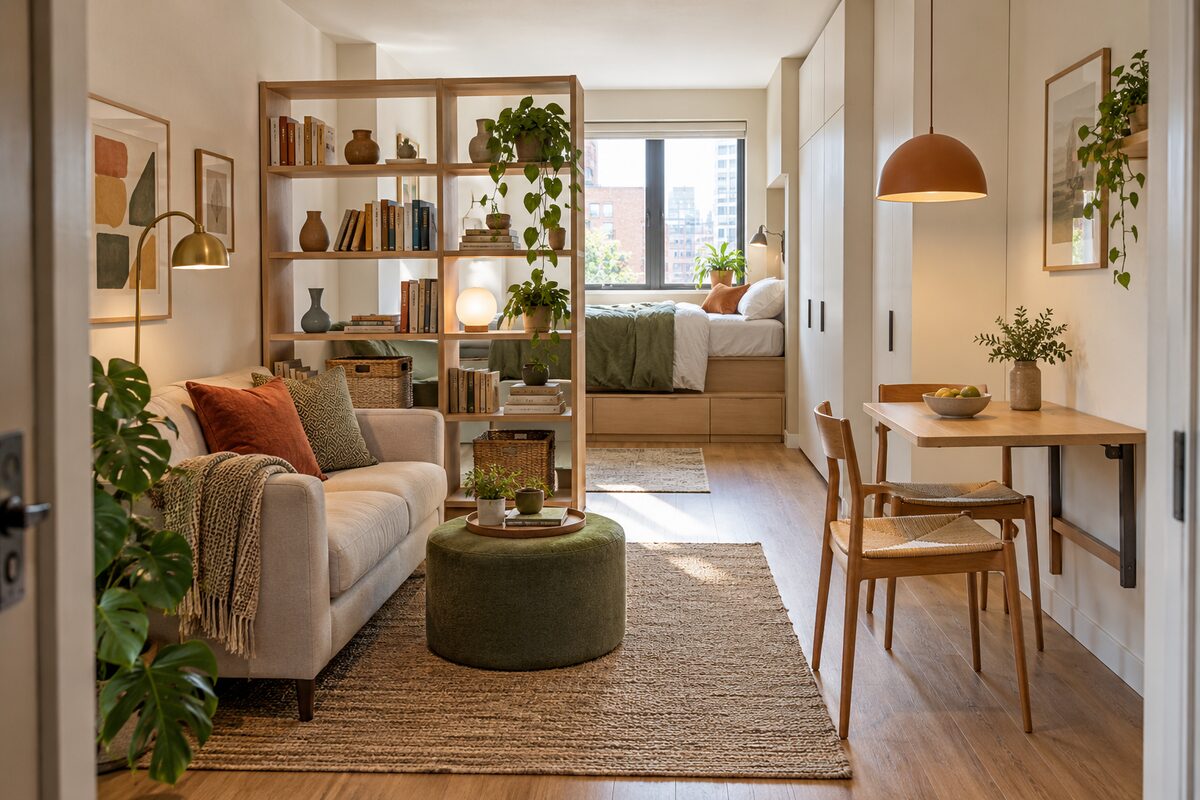
Open-plan studios feel larger when their different functions are defined without solid walls. An open bookcase can separate the sleeping area while allowing light to pass through. A rug can outline the living zone, and a pendant light can visually anchor a compact dining table.
Maintain a consistent color palette across the entire apartment so the zones feel connected. Then give each area one subtle identity through texture or accent color. For example, muted green textiles can define the sleeping nook, while terracotta cushions add warmth to the living area.
Avoid using too many dividers. The goal is to suggest boundaries, not create a maze. One bookcase, a curtain or a change in lighting is often enough. Keeping the longest sightline unobstructed makes the studio feel deeper.
Draw the Eye Up With Vertical Decorating
When floor space is limited, walls become valuable storage and decorating surfaces. Tall cabinets, vertical artwork and high curtain rods guide the eye upward. This makes better use of the room’s volume and reduces pressure on the floor.
Vertical storage should still be edited. Filling every wall with shelves can make a compact room feel busy. Concentrate storage on one main wall and leave another relatively quiet. This balance between useful storage and negative space is what keeps the room calm.
Make a Small Kitchen Work Harder
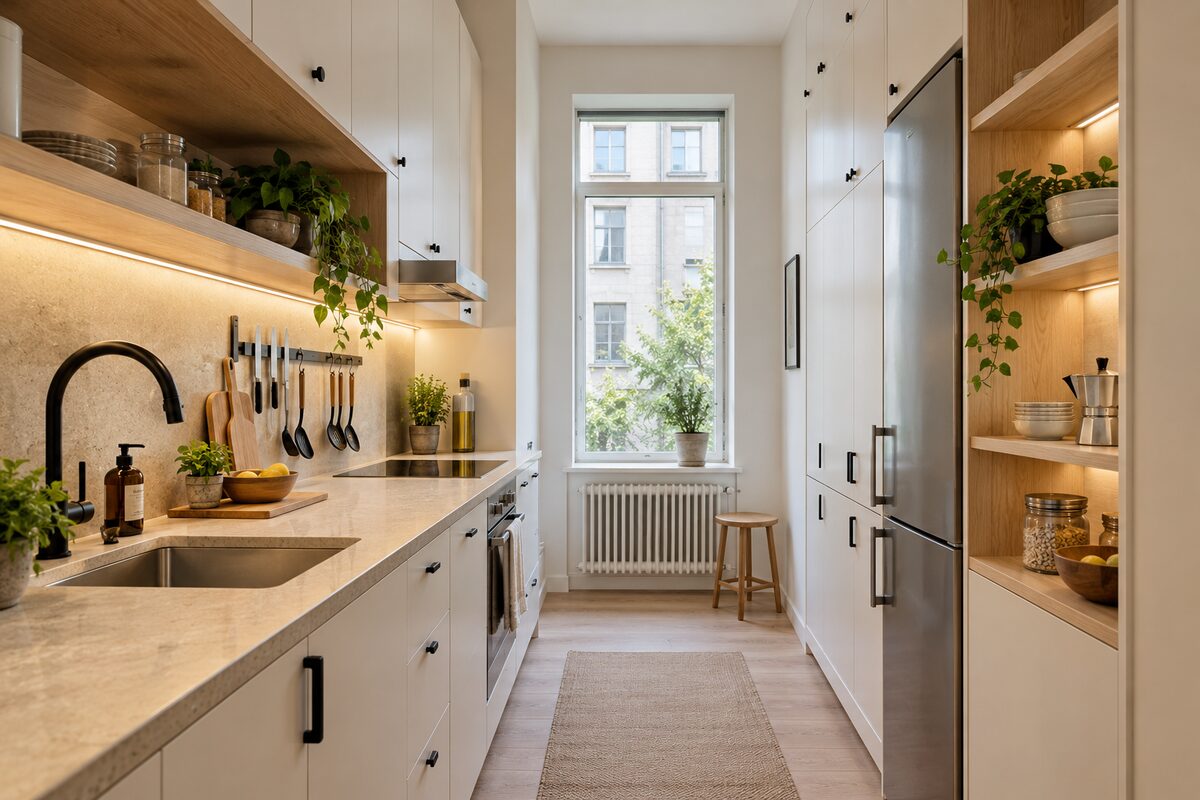
A narrow kitchen benefits from ceiling-height cabinetry and clear counters. Store rarely used items on the highest shelves, everyday dishes within easy reach and heavy cookware in lower drawers. A magnetic knife strip or utensil rail can free drawer space, but limit the number of visible tools to avoid clutter.
Under-cabinet lighting brightens the work surface and reduces dark corners. Pale cabinet fronts can help reflect light, while wood shelves and matte hardware add warmth and contrast. If an island would interrupt movement, use a slim rolling cart that can be repositioned or removed.
Open shelving is most effective in small doses. One shelf for attractive daily items can make the kitchen feel personal; several fully packed shelves often create visual noise. Mix accessible display with generous closed storage for the best result.
Use Color and Light to Expand the Room
Light colors are helpful, but an all-white room is not the only answer. Warm off-white, soft beige, pale grey and muted green can feel equally spacious when used consistently. Dark colors can also work as controlled accents, especially on a door, niche or single cabinet wall.
Layer lighting instead of relying on one ceiling fixture. Combine ambient light with wall sconces, under-cabinet lights and a focused reading lamp. Multiple light sources soften shadows and make the edges of a room easier to perceive, which can increase the feeling of depth.
Mirrors are most useful when they reflect daylight, an attractive view or a clear part of the room. A mirror facing clutter simply doubles the clutter. Choose its placement with the same care as a piece of artwork.
Turn a Narrow Entryway Into Useful Storage
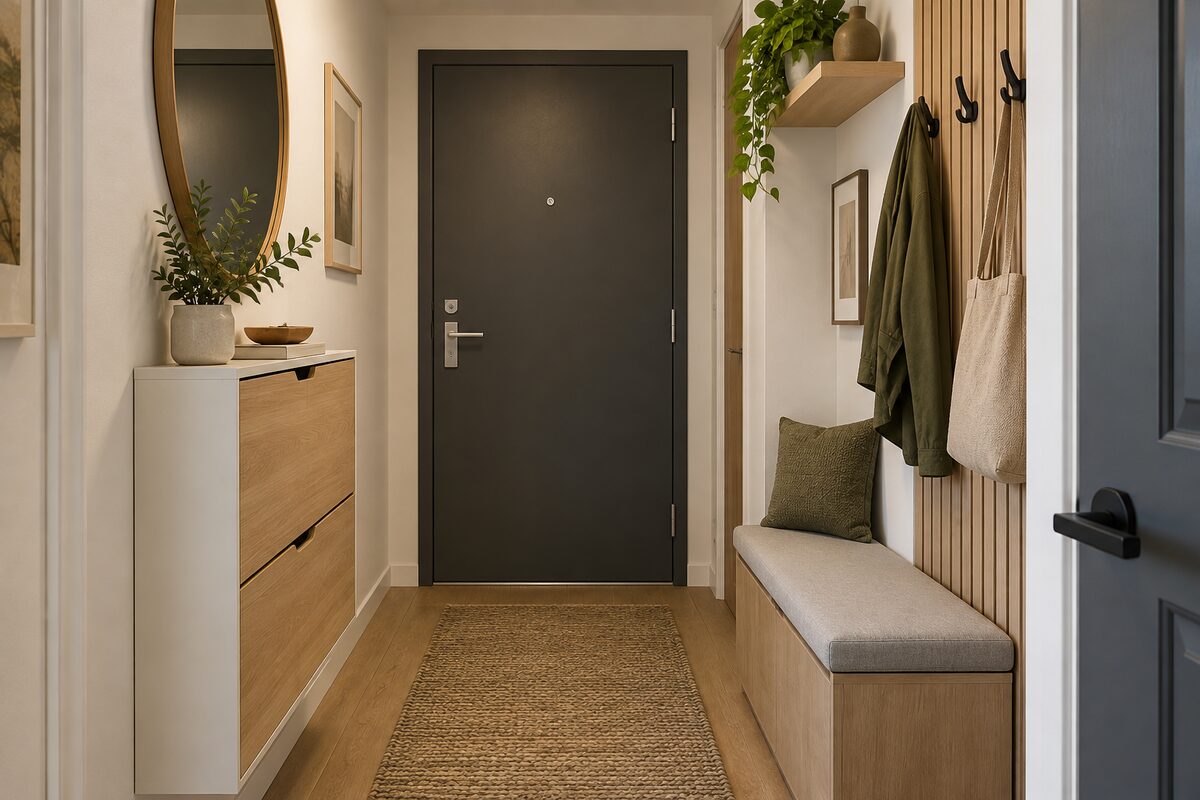
Even a very small entry can support daily routines. A shallow wall-mounted shoe cabinet keeps the floor clear, while hooks use the wall for coats and bags. Add a compact bench with hidden storage if the walkway remains comfortable.
A mirror near the door is practical and helps the space feel brighter. Keep the top of the shoe cabinet mostly clear, using one tray for keys and one small decorative object. A narrow runner visually lengthens the hallway and introduces texture without reducing usable space.
Reduce Visual Clutter Without Making the Home Feel Empty
Small-space organization works best when frequently used items have an obvious home. Closed storage is ideal for cables, paperwork, cleaning products and mixed everyday objects. Open storage should hold a more limited collection with breathing room between items.
Repeat materials to create unity. Using the same pale wood in shelves, tables and storage fronts makes separate pieces feel like part of one plan. Matching baskets or boxes can calm an open bookcase, but avoid filling every compartment. A few empty areas are visually valuable.
A Simple Plan Before You Redecorate
- Measure the room and the main walkway. Include doors, windows, radiators and outlets.
- Identify the room’s essential function. Decide what must happen there every day.
- Remove or relocate obstacles. Clear pieces that block movement or natural light.
- Choose one storage wall. Concentrating storage creates calmer areas elsewhere.
- Add flexible furniture. Select only pieces that solve a real daily problem.
- Finish with lighting and a limited palette. These elements bring the room together.
Frequently Asked Questions
What colors make a small room look bigger?
Soft, light-reflective colors such as warm white, pale beige and gentle grey can make a room feel brighter. More important than choosing pure white is maintaining a consistent palette with limited contrast across large surfaces.
Should all furniture in a small room be small?
No. Too many tiny pieces can make a room feel fragmented. Choose fewer pieces with the correct proportions, and allow clear space around them. One comfortable sofa can work better than several undersized seats.
How do you add storage without making a room feel crowded?
Use vertical space, select shallow cabinets and combine closed storage with a small amount of open display. Concentrating storage on one wall usually looks calmer than spreading shelves and cabinets around every side of the room.
What is the best furniture for a studio apartment?
The best choices are easy-to-use multifunctional pieces such as a storage bed, drop-leaf table, nesting tables and an open bookcase that doubles as a room divider. Always check the furniture’s measurements in every position before buying.
Final Thoughts
The most effective small space decorating ideas combine good measurements, purposeful storage and visual consistency. Start by protecting the path through each room, then use vertical space and flexible furniture to support daily life. With a restrained palette, layered lighting and a few well-chosen pieces, even a compact home can feel comfortable, organized and distinctly personal.