Small Living Room Ideas: 9 Smart Ways to Make Your Space Feel Larger
Make a small living room feel larger with better furniture scale, smart storage, natural light, mirrors, color and flexible layouts.
Living Rooms · Casa Eloria
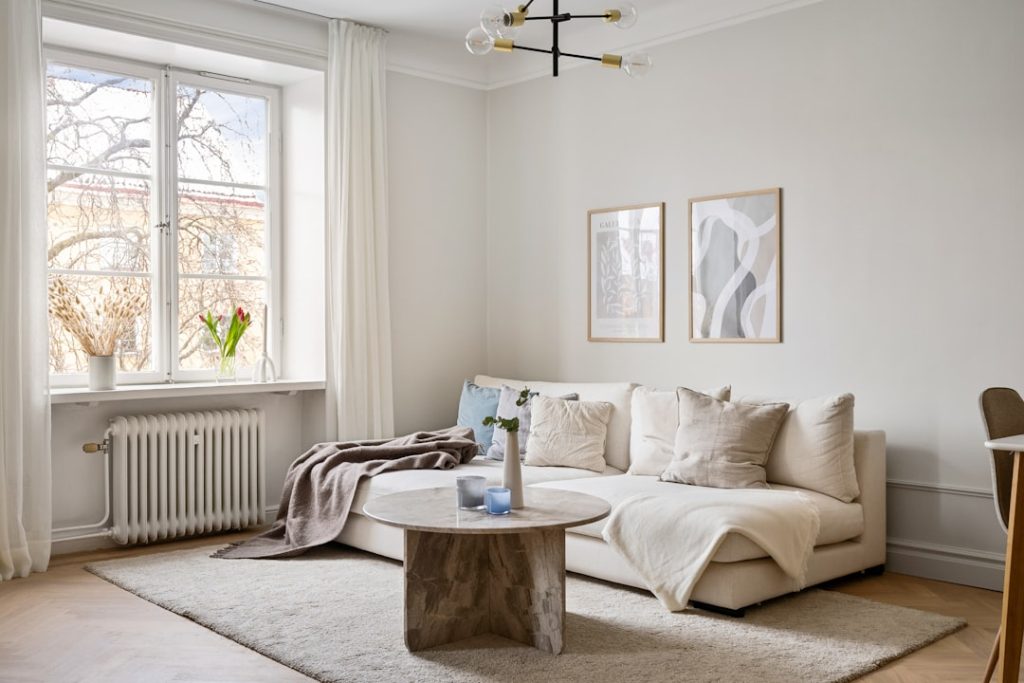
A small living room does not need to feel limited. With the right proportions, circulation and storage, even a compact space can feel bright, comfortable and carefully designed.
The goal is not to make every object disappear. The goal is to make the room work harder. A clear walkway, furniture that fits the scale, flexible surfaces and a consistent palette can create a surprising sense of space.
1. Protect the main path through the room
Before buying furniture, identify the route people use most often. Keep this path as direct as possible and avoid placing a coffee table, floor lamp or chair where it interrupts movement. A room with a clear route often feels larger than a room with more floor area but poor circulation.
When space is very limited, allow furniture to sit close to one wall while keeping the center visually open. The arrangement should feel intentional rather than pushed aside.
2. Choose a sofa that fits the wall, not your wish list
The sofa is usually the largest item in a small living room, so its depth matters as much as its width. A compact design with a comfortable seat can provide more usable space than a deep sectional. Measure the full delivery route as well as the wall where the sofa will stand.
Raised legs can reveal more floor and create a lighter appearance. Built-in benches or a loveseat may be useful alternatives when the room needs several seats without a large footprint.
3. Use vertical space intelligently
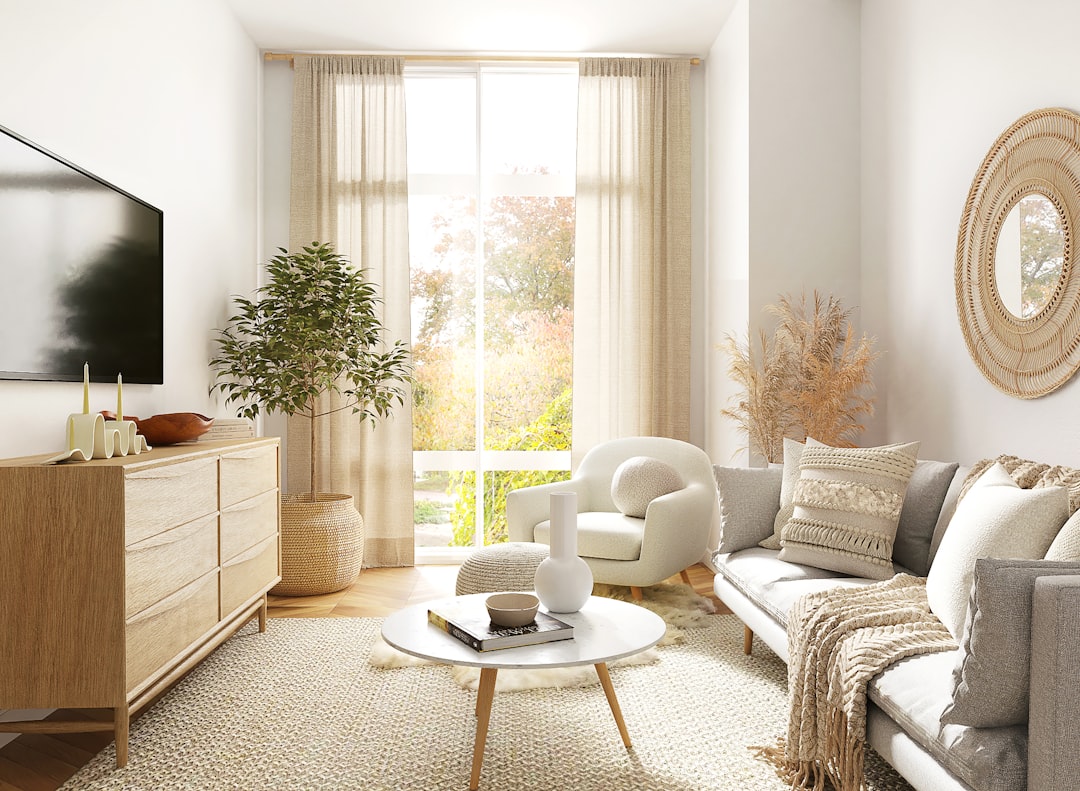
Walls are valuable storage and display areas. Full-height shelves, narrow cabinets and tall curtains draw the eye upward and reduce the pressure on the floor. Keep the lower section closed for clutter and use the upper section for books, artwork or a few decorative objects.
Do not fill every shelf. A little negative space helps a compact room feel calmer and prevents storage from becoming visual noise.
4. Select furniture with more than one function
Small spaces benefit from flexible pieces. A storage ottoman can act as a footrest, extra seat and place for blankets. A nesting table can expand when guests arrive. A slim console can work as a desk for short tasks without taking over the room.
Choose flexibility according to your routine. A clever product is only useful when it solves a problem you actually have.
5. Keep the color palette connected
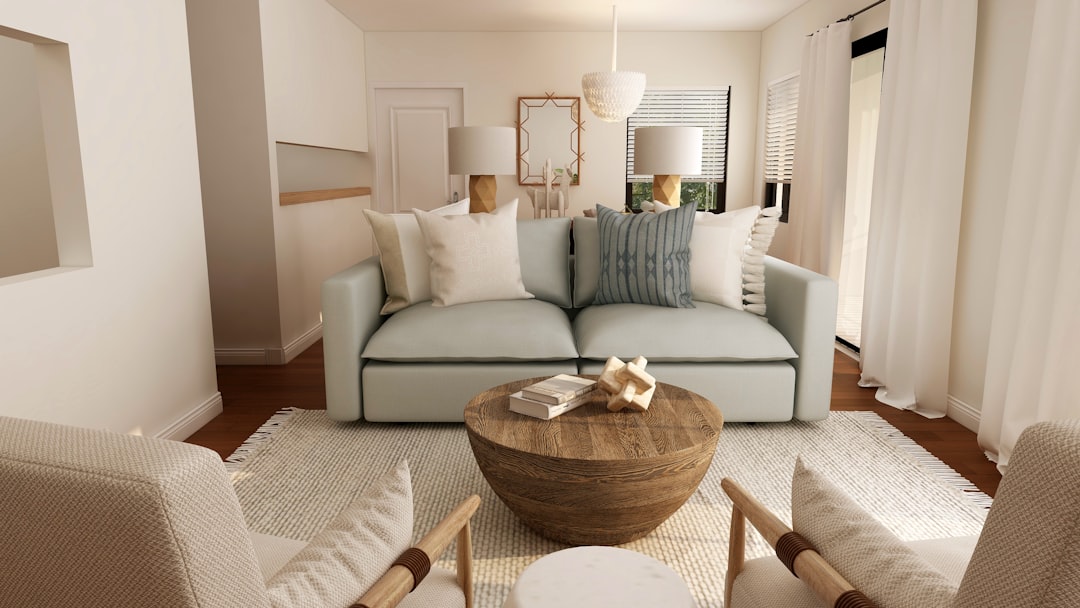
Strong changes between the walls, floor, curtains and furniture can make a small room feel fragmented. A connected palette of warm white, sand, soft grey or muted color allows the eye to move around the room with fewer visual stops.
This does not mean everything should be the same shade. Use contrast through texture, a darker wood tone or one carefully chosen accent chair.
6. Use mirrors with purpose
A mirror can reflect daylight or extend a view, but its position is more important than its size. Place it where it reflects a window, a light wall or an attractive architectural feature. Avoid reflecting clutter or a busy circulation area.
One large, well-positioned mirror is often more effective than many small decorative mirrors because it creates a clearer visual plane.
7. Let curtains reach the floor
Mount curtains close to the ceiling and let them fall to the floor when the window arrangement allows it. This creates vertical emphasis and makes the opening feel more generous. Choose a fabric that filters light softly rather than a heavy pattern that dominates the room.
8. Keep the coffee table visually light
A glass, slim-leg or rounded coffee table can preserve sightlines and make movement easier. The correct size should allow people to reach it comfortably without blocking the sofa. If a full coffee table is not practical, use a small side table or nesting pair instead.
9. Edit the room regularly
Small living rooms show clutter quickly. Keep a simple rule for what remains visible: perhaps a tray, a lamp, a few books and one plant. Store cables, remote controls and extra blankets in a defined place. Periodic editing is one of the most effective free ways to make a room feel larger.
Frequently asked questions
What sofa shape is best for a small living room?
A compact straight sofa, loveseat or shallow L-shaped sofa can work well. The best choice depends on the wall length, door positions and circulation—not only on the number of seats.
Should a small living room use dark colors?
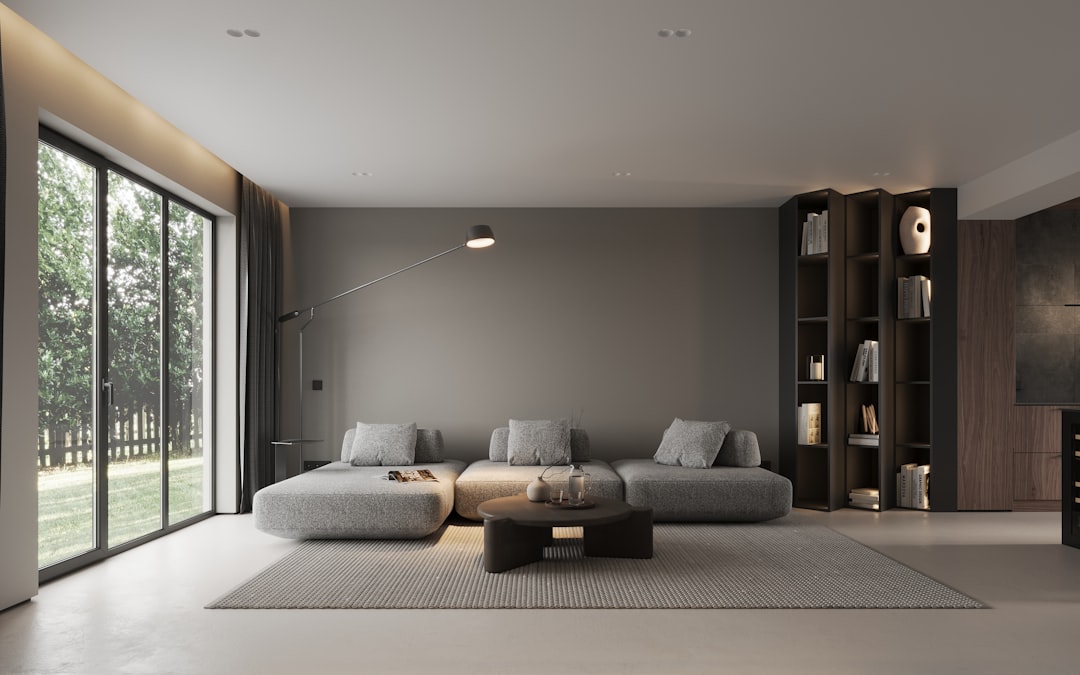
It can. Dark colors create depth when used consistently, but they need good lighting and controlled contrast. Light colors are not the only way to make a room feel spacious.
How can I add storage without making the room crowded?
Use vertical storage, closed lower cabinets, furniture with hidden compartments and a limited number of open display areas.
Small can still feel beautifully complete
Design the room around movement, comfort and the objects you genuinely use. Once the layout is clear and the visual noise is reduced, a small living room can feel intentional, warm and much more spacious than expected.