Warm Modern Kitchen Ideas: How to Create a Cozy and Stylish Kitchen
Practical, stylish warm modern kitchen ideas to help you blend clean modern lines with cozy materials and layered lighting. Step-by-step guidance, realistic examples, common pitfalls, and five FAQs…
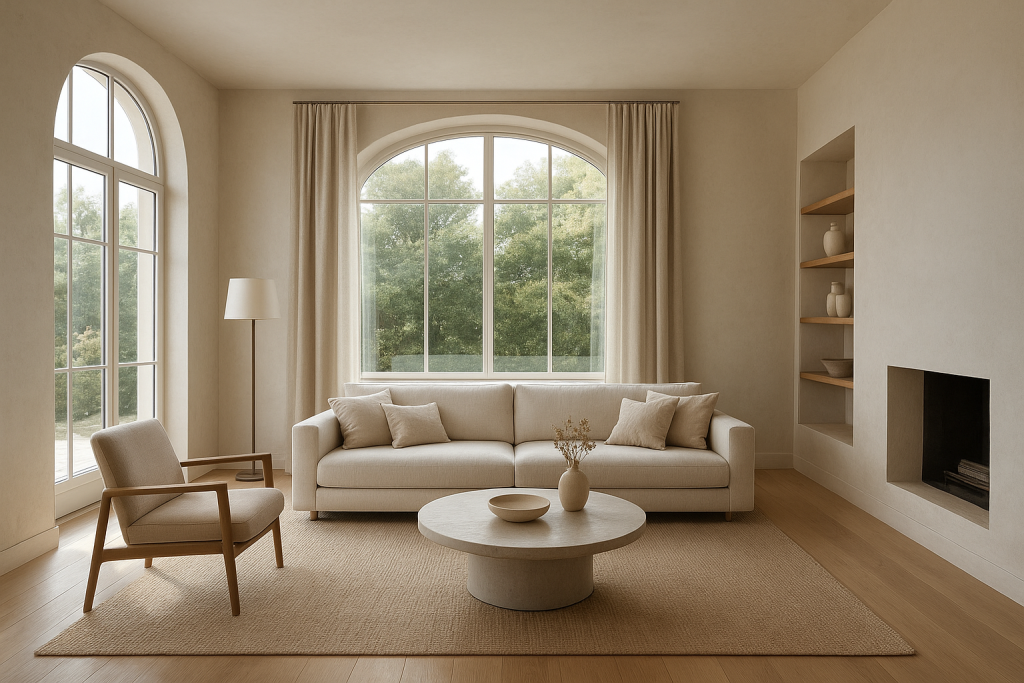
Warm modern kitchen ideas combine the calm, clean lines of modern design with texture, color, and lighting that invite people to linger. Below you’ll find a practical playbook—materials, color strategies, lighting plans, step-by-step implementation, examples for different homes, mistakes to avoid, and a concise summary to refer back to.
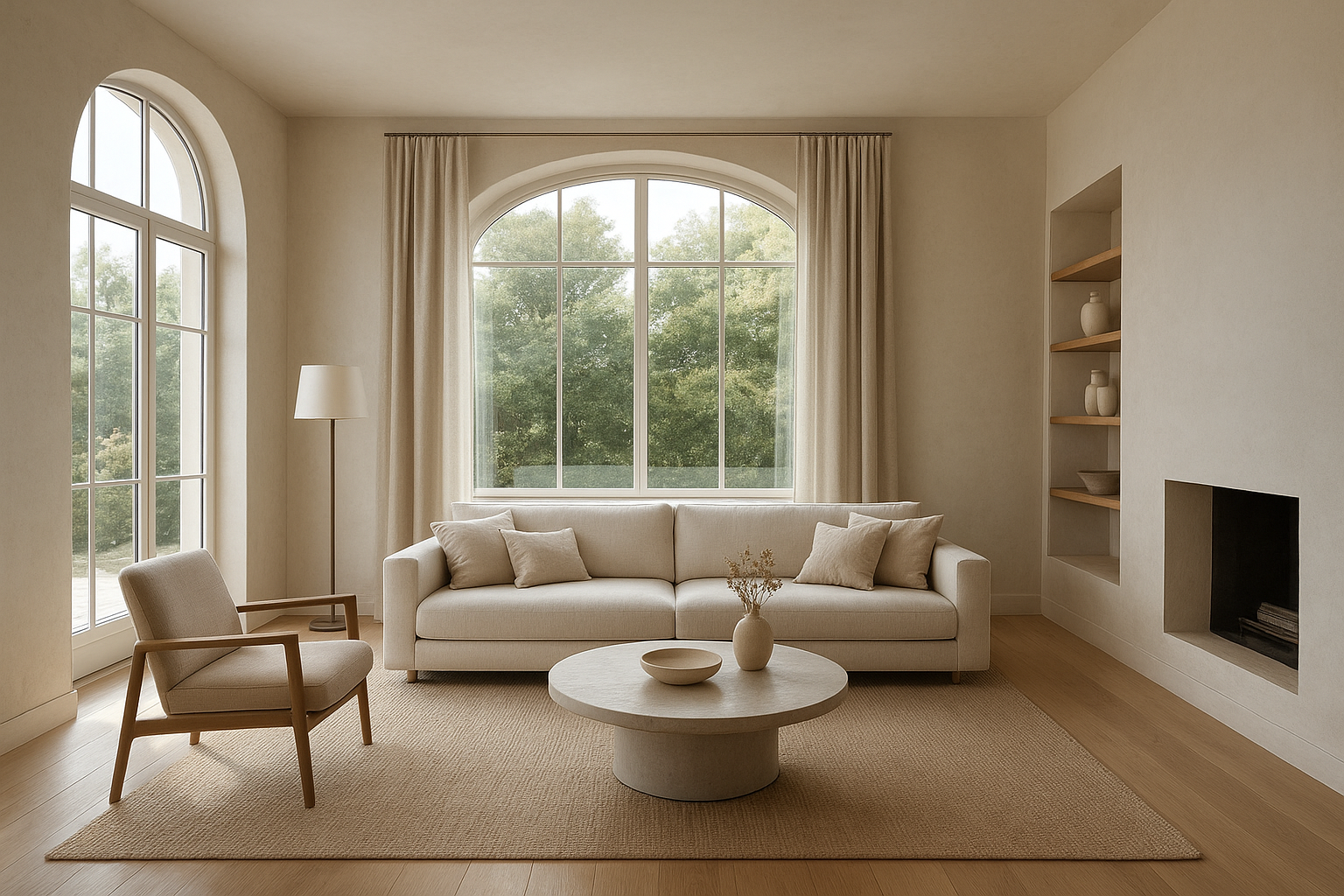
Why warm modern kitchens work
Modern kitchens favor simplicity—flat-front cabinets, integrated appliances, and minimal ornament. Those elements can feel cold if materials and light are strictly hard and monochrome. Adding warmth through wood tones, soft metals, textured textiles and layered lighting creates balance: the space stays clean and contemporary but becomes inviting and lived-in.
Design psychology in one line
Human comfort responds to texture, color temperature, and scale—so pairing modern silhouettes with tactile finishes and warm light changes a kitchen from showroom-cool to family-friendly without losing its contemporary edge.
Key elements of warm modern kitchen ideas
1. Color palette: calm and warm
Start with a neutral base—soft whites, warm greys, or greige. Add a warmed accent (muted terracotta, olive green, or deep navy with brown undertones). Resist high-contrast black-and-white unless you introduce wood or brass to mediate the contrast.
2. Natural materials and mixed textures
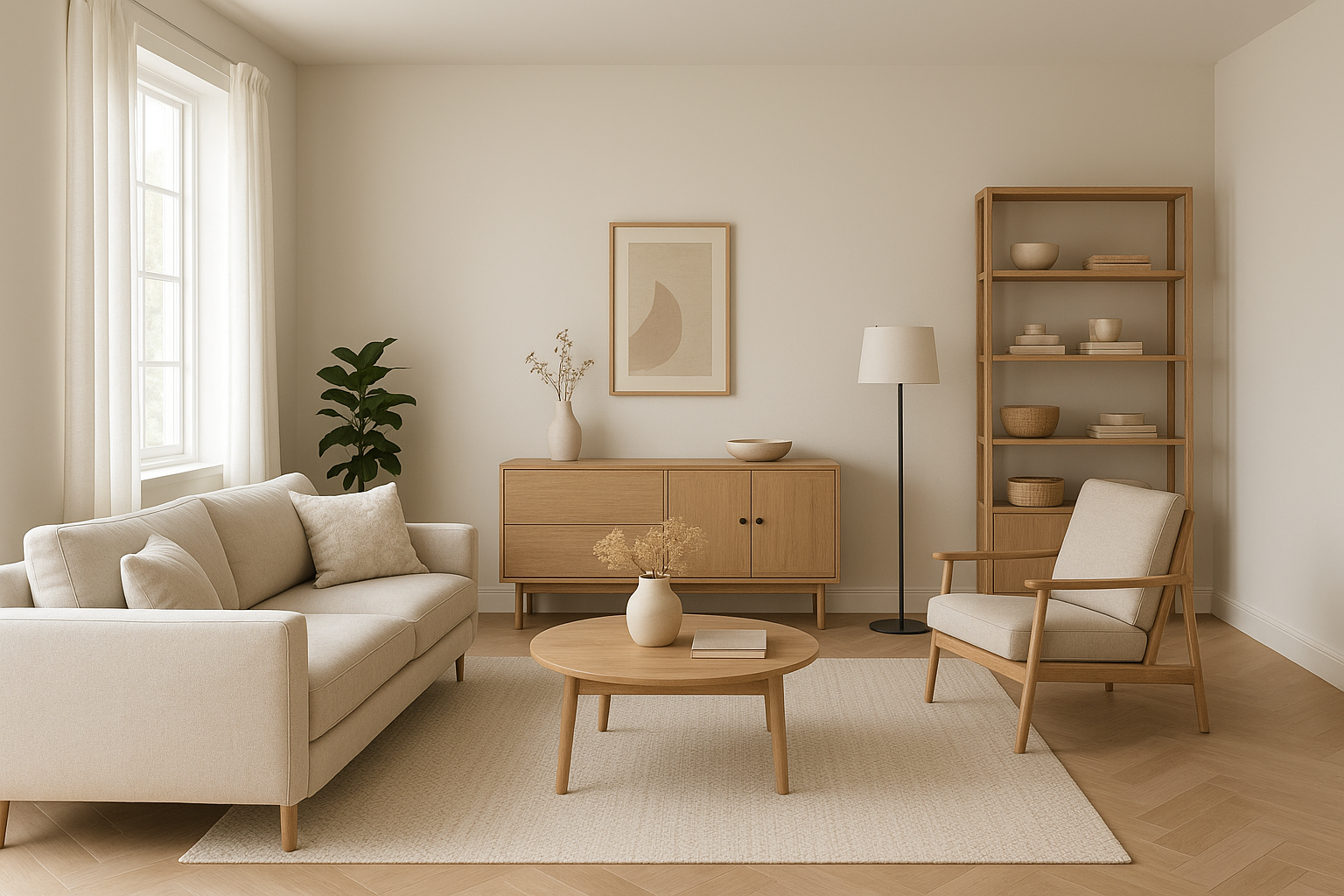
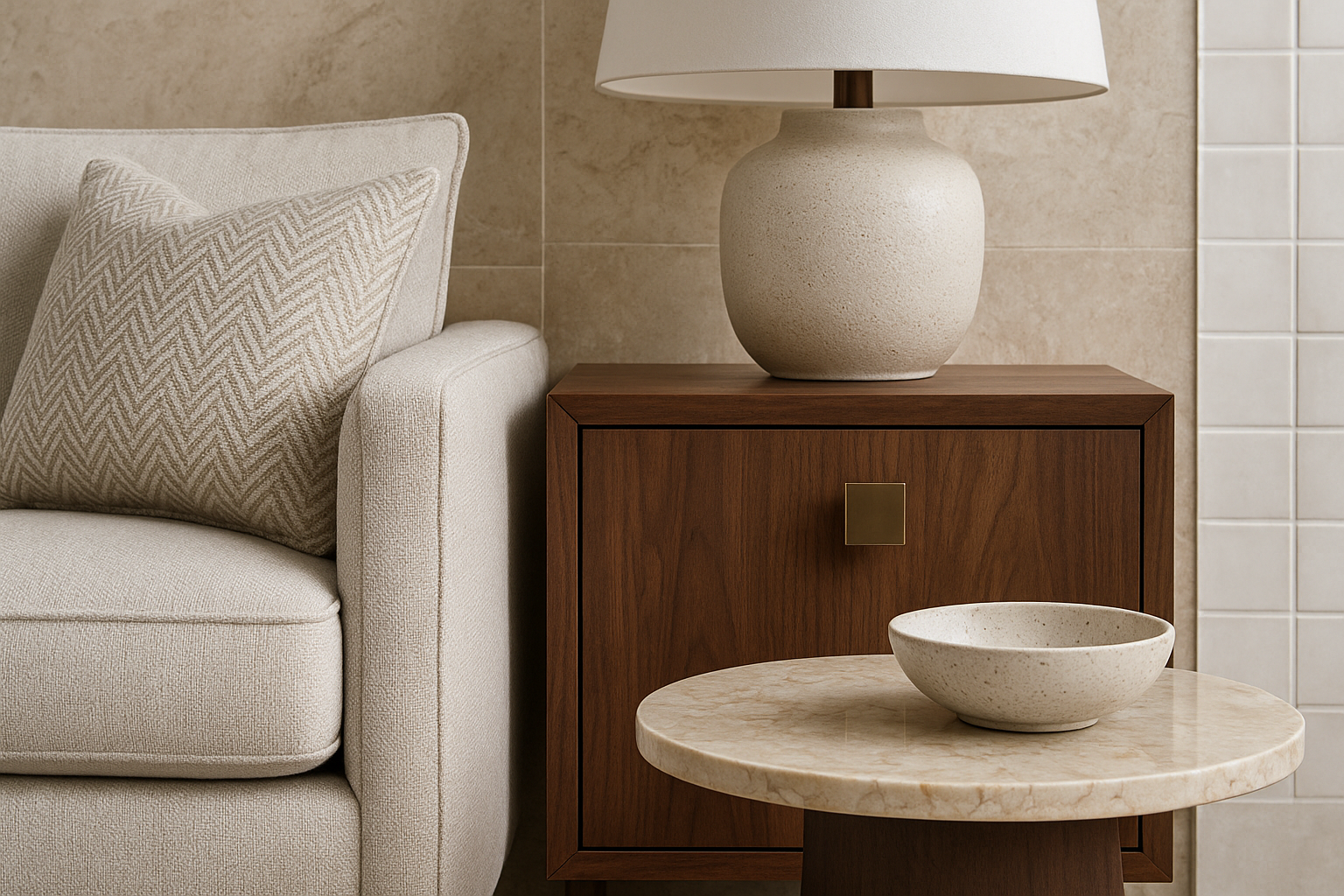
Wood (real or veneer), honed stone, matte ceramic, and woven textiles are the core materials for warmth. Layered textures—recessed cabinet toe-kicks, open shelving with baskets, and a rug by the sink—add depth without cluttering modern lines.
3. Layered lighting
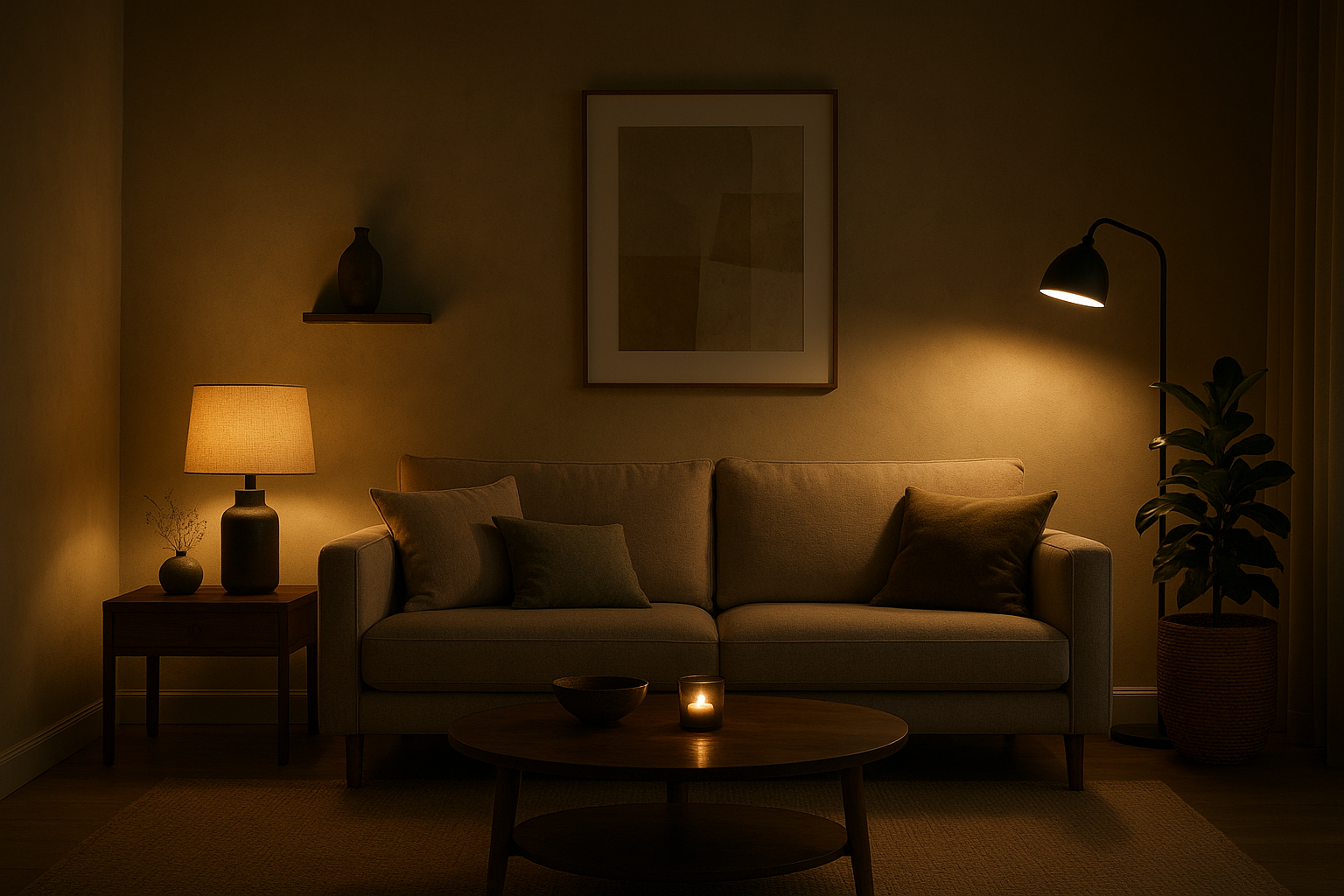
Combine ambient light (recessed or diffuse pendants), task lighting (under-cabinet strips) and accent light (pendants over an island, toe-kick LED). Use warm white bulbs (2700K–3000K) to preserve cozy tones. Dimmers are essential—daytime brightness differs from evening mood.
4. Finishes and hardware
Choose soft metal tones—brushed brass, aged bronze, or warm black—rather than chrome. Matte or satin cabinet finishes read warmer than high-gloss. Keep hardware minimal and consistent to maintain the modern aesthetic.
5. Open shelving and closed storage balance
Open shelves show personality—ceramic bowls, glassware, olive oil—but too many exposed items look untidy. Aim for one curated shelving wall or sections of open shelving interrupted by concealed storage.
6. Softscape and reusables
Textiles—seat cushions, runner rugs, linen towels—add immediate warmth. Live plants or fresh herbs in ceramic pots introduce color and fragrance, improving perceived warmth and air quality.
Step-by-step plan to create a cozy modern kitchen
Step 1 — Assess your starting point
Measure the space, note natural light direction and identify existing permanent elements (floor, structural columns). Photograph the kitchen from multiple angles; you’ll use images to test mood boards and material samples.
Step 2 — Define your warm modern palette
Choose one neutral for large planes, one warm material (wood tone or warm stone) and one accent color. Example: warm off-white walls, medium walnut cabinetry, and muted sage green island.
Step 3 — Prioritize lighting and fixtures
Install dimmable overhead lighting and under-cabinet task lights as early electrical steps. Select pendant fixtures that complement your metal finish choices—brass pendants give instant warmth even if other elements are cooler.
Step 4 — Mix materials with intention
Limit primary materials to three: cabinetry, countertop, and backsplash. Add texture with textiles and accessories rather than more surface materials; this preserves a modern feel. For example, pair a quartz countertop with a textured subway tile and wood lower cabinets.
Step 5 — Storage and workflow
Modern kitchens need fewer visual cues to function—opt for deep drawers for pots, pull-out pantry systems, and integrated appliances. Keep frequently used items at counter height and hide bulkier items behind closed doors.
Step 6 — Add the finishing accents
Introduce woven baskets, ceramic crocks, wooden cutting boards, and a statement bowl of fruit. Keep surfaces edited—apply the 50/30/20 rule: 50% clear counter space, 30% functional items, 20% decorative pieces to keep the look modern yet lived-in.
Step 7 — Live with it and tweak
Use the space for a month before committing to final decorative purchases. You will notice missing hooks, inconvenient cabinet heights, or the need for extra task lighting—address these after daily use rather than guessing at completion.
Design examples: three warm modern kitchen scenarios
1. Small apartment kitchen: warm and efficient
Keep cabinetry light to open the room, add a single warm wood open shelf run above the sink, and choose a compact island with seating for two. Matte black hardware and a warm-toned tile backsplash add personality without overwhelming the small footprint.
2. Family kitchen: durable and cozy
Prioritize resilient surfaces—honed quartz or sealed stone—and stain-resistant textile seating. Use a large island for homework and meal prep, pendant lighting at a lower height for an intimate feel, and open shelving for baskets that hold everyday items.
3. Chef-friendly kitchen with soft modern edges
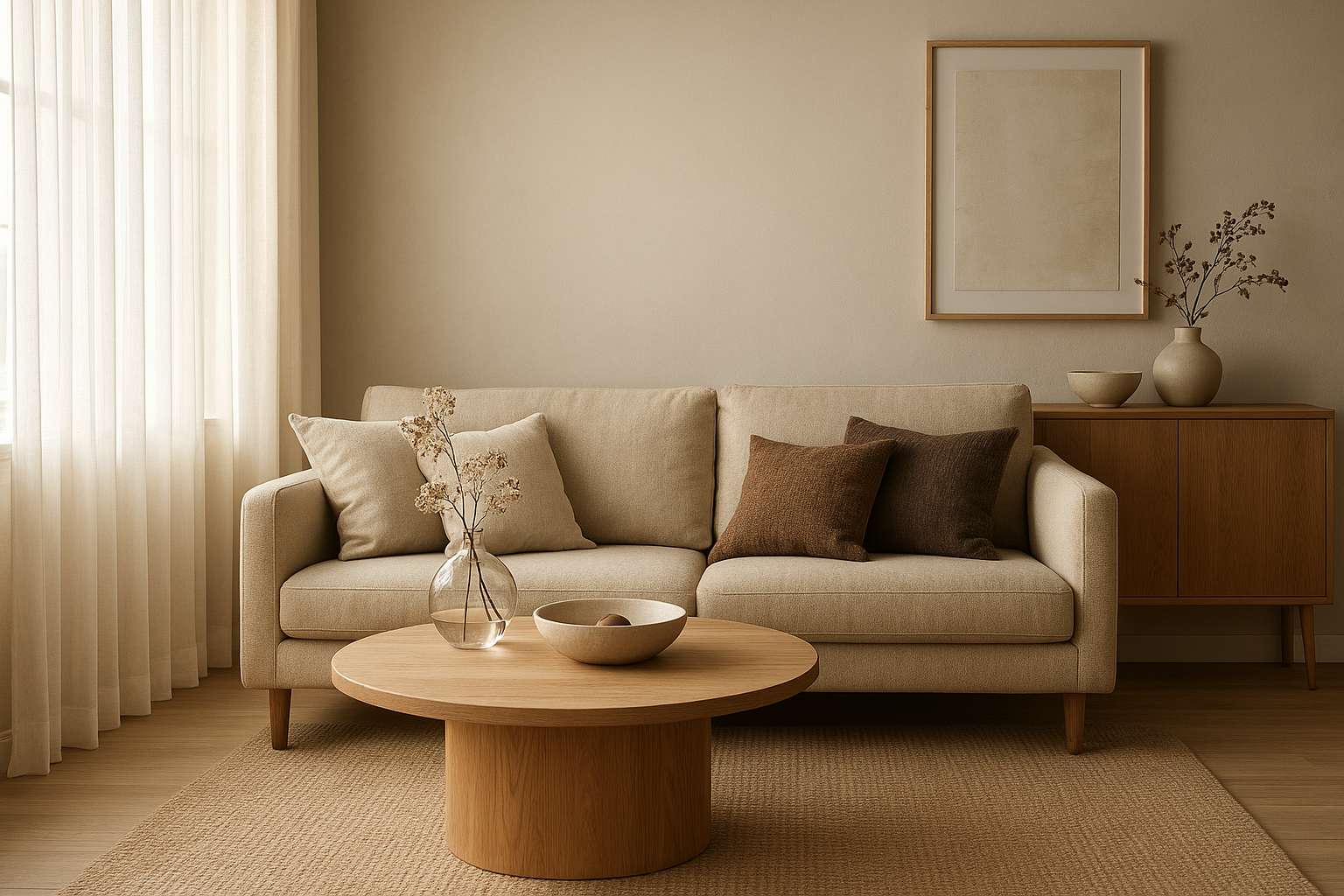
Invest in a powerful range and a deep sink, keep prep zones uncluttered with a professional layout, and soften the room with warm wood drawer faces, pendant lighting above the island, and a textured tile splash behind the range to provide visual and acoustic warmth.
Common mistakes to avoid
- Choosing too many competing materials—limit to three primary finishes to keep the aesthetic cohesive.
- Overexposing open shelving—display only everyday items and a few decorative objects to avoid a cluttered look.
- Using only cool lighting—avoid strictly daylight bulbs; warm whites (2700K–3000K) make materials look rich and inviting.
- Ignoring ergonomics for the sake of style—ensure worktop heights, stove placement and storage are comfortable for daily use.
- Opting for high-contrast without warmth—if you love black and white, introduce warm wood or brass accents to soften the feel.
Maintenance and longevity
Choose finishes that are easy to maintain: semi-matte paints hide fingerprints, honed stone hides etches better than polished surfaces, and sealed wood or veneer resists spills. For long-term warmth, select neutral major finishes and swap textiles and small accessories seasonally to refresh the mood without a full remodel.
Summary
Warm modern kitchen ideas center on blending clean lines with tactile, warm materials and layered lighting. Start with a simple palette, add natural textures, plan flexible lighting, and prioritize practical storage. With careful material selection and intentional accents, you can achieve a kitchen that feels both contemporary and comfortably lived-in.
Frequently asked questions
1. What color temperature creates a warm modern kitchen?
Use bulbs between 2700K and 3000K. They render materials and skin tones warmly without being overly yellow. Combine with dimmers to adapt brightness throughout the day.
2. Can I make a small kitchen feel warm without losing the sense of space?
Yes—choose light neutral cabinetry, introduce warmth through accents like wood shelving, brass hardware, or a warm-toned tile, and keep countertops clear to preserve openness.
3. Are matte or glossy finishes better for a warm modern look?
Matte or satin finishes tend to feel warmer and more contemporary. Gloss can work when balanced with warm materials, but high-gloss often reads cooler and more showroom-like.
4. How much open shelving is appropriate?
Limit open shelving to one wall or one run between closed cabinets. Keep shelves curated—stack plates, a few glasses, and a couple of decorative objects—to avoid visual clutter.
5. What is the easiest upgrade to make a modern kitchen feel warmer?
Swap lighting to warm white bulbs and add a pendant or two in a warm metal finish. If budget allows, add a warm wood island front or new cabinet hardware for immediate impact.