Modern Kitchen Ideas for a Stylish and Functional Home
Discover 11 modern kitchen ideas for better layouts, smarter storage, layered lighting, timeless materials, and a more welcoming home.
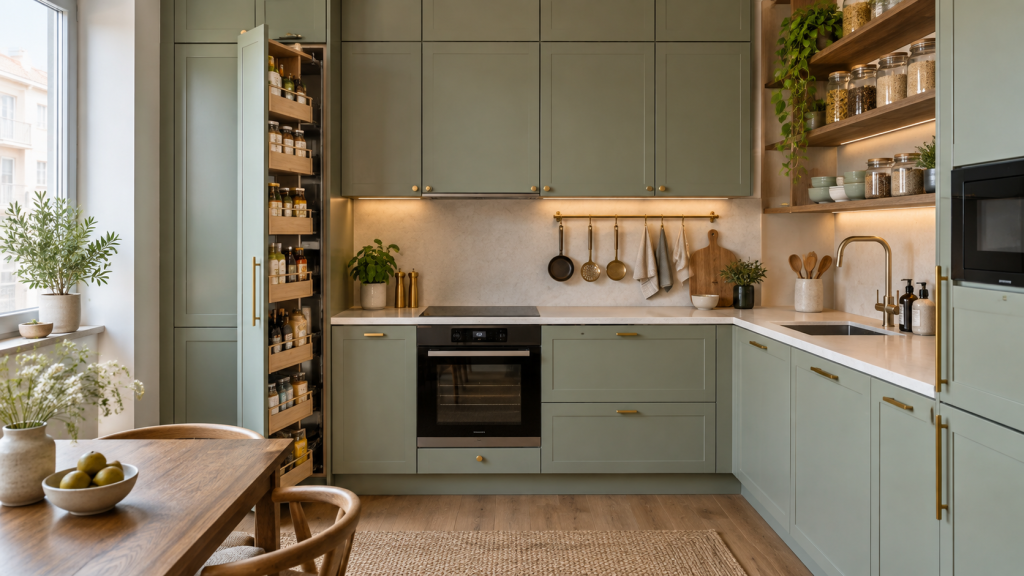
A beautiful kitchen should do more than look polished. It should make cooking easier, keep daily clutter under control, and create a natural place for people to gather. These modern kitchen ideas combine practical planning with warm, timeless details that can work in apartments, family homes, and larger open-plan spaces.
The best starting point: plan the way you move through the kitchen first, then choose colors, materials, and decorative details that support that routine.
For more room-by-room inspiration, explore the CasaEloria Journal and browse the Kitchens collection.
1. Start with a Warm, Functional Foundation
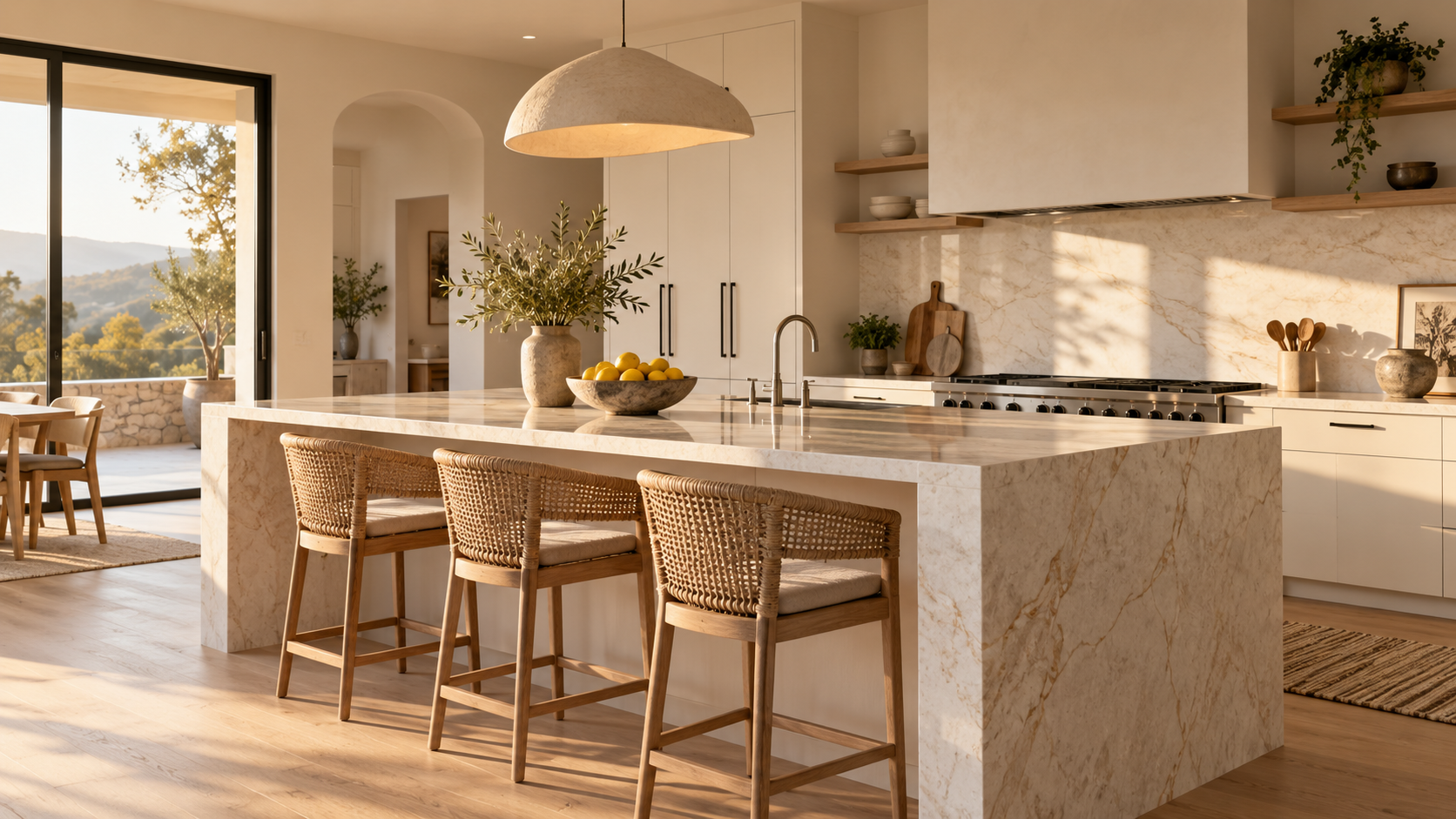
Oak cabinetry, pale stone, and softly rounded lighting create a kitchen that feels welcoming from the first glance. This combination is especially effective when the room needs to feel modern but still comfortable enough for everyday family life.
2. Make a Small Kitchen Work Harder
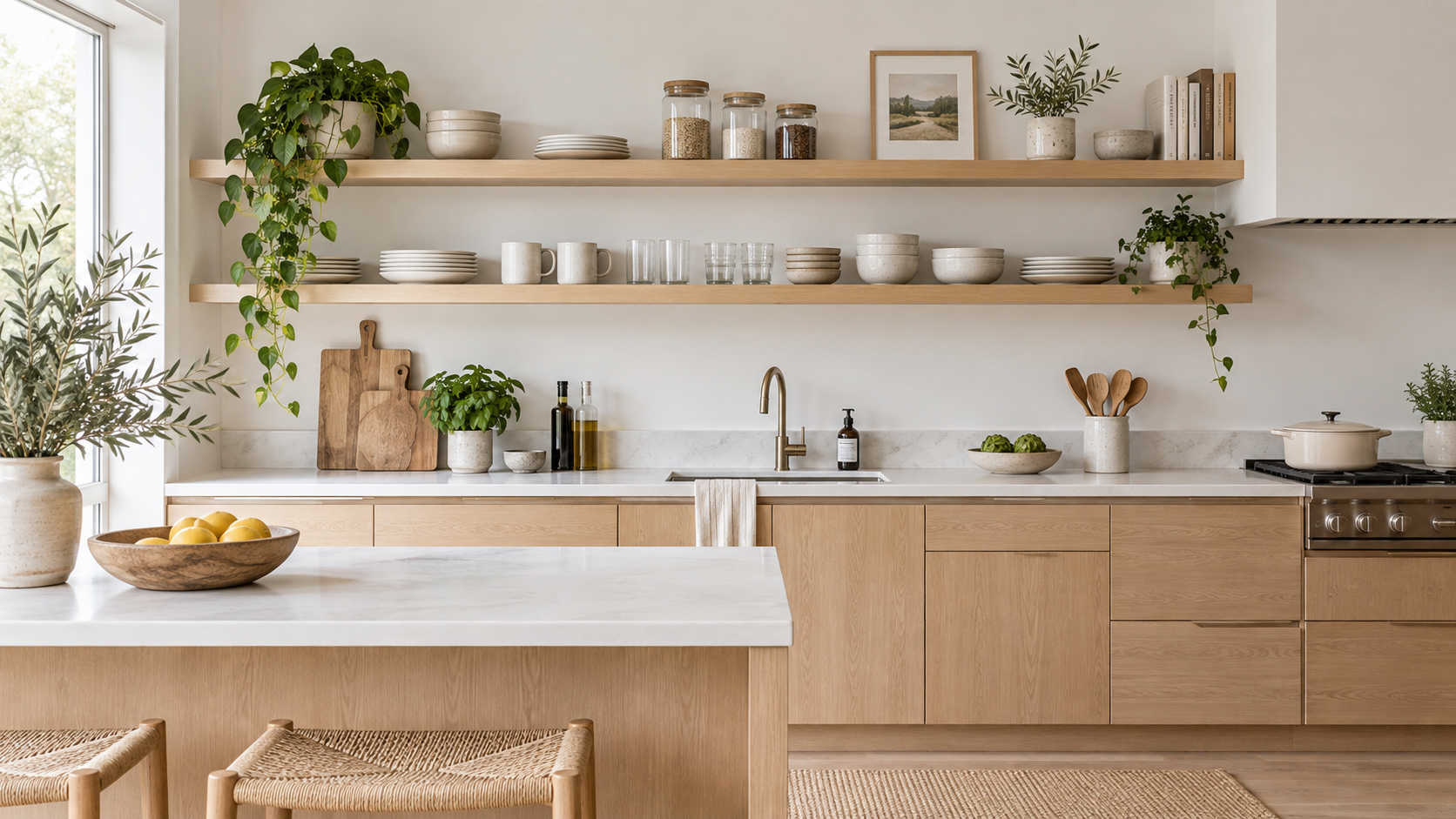
Small kitchens benefit from a simple working triangle between the refrigerator, sink, and cooktop. A narrow island or peninsula can add preparation space without blocking circulation. Keep tall storage on one wall and reserve the brightest area for the main work surface.
- Choose drawers for cookware and everyday tools.
- Use one continuous countertop where possible.
- Keep at least one clear path through the room.
3. Treat Storage as Part of the Design
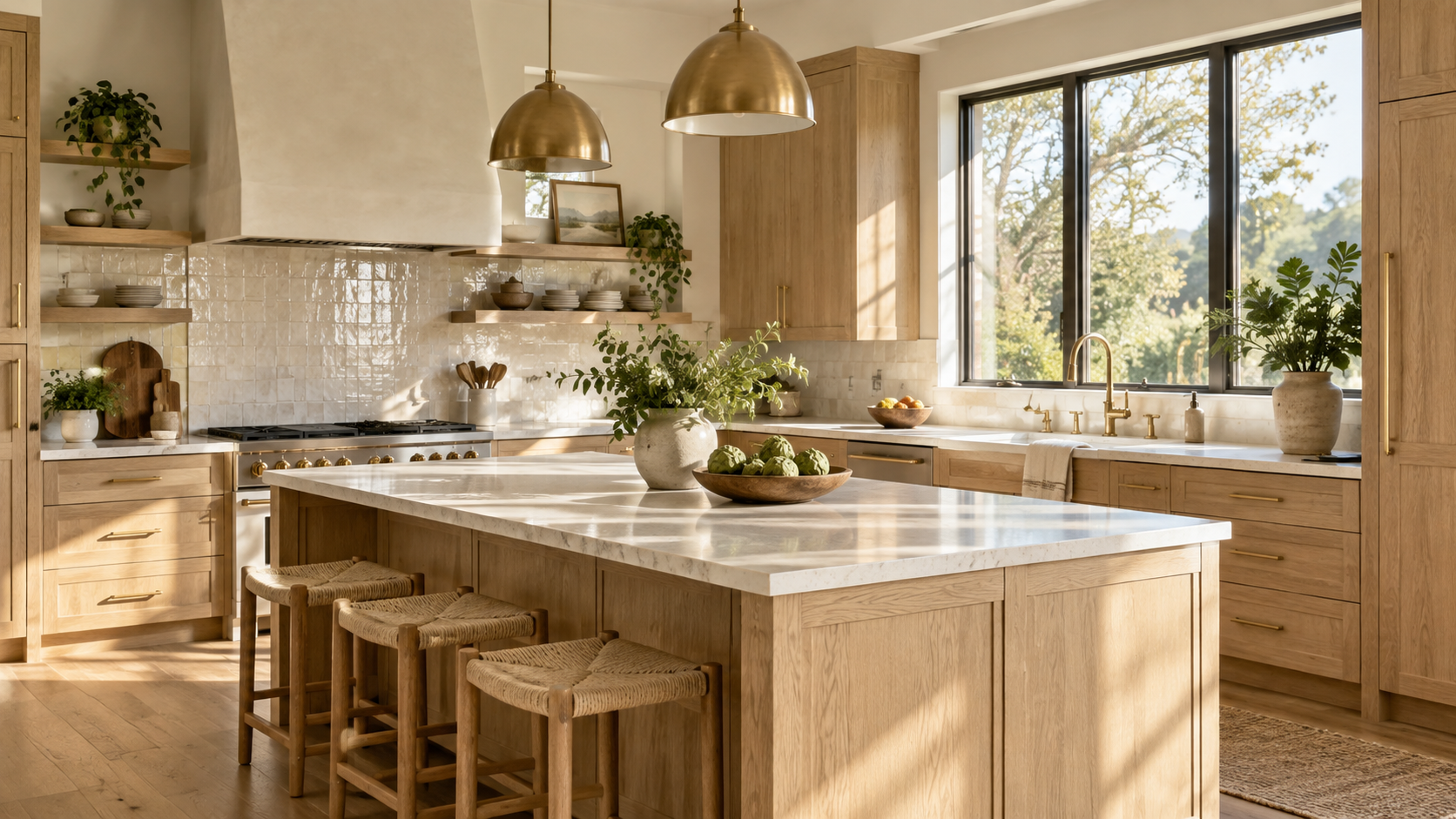
Good kitchen storage is not only about adding more cabinets. It is about placing the right storage close to the point of use. Deep drawers work well for pots and pans, while slim internal organizers keep utensils easy to find. Open shelves should display only the pieces you use often or genuinely enjoy seeing.
4. Layer the Lighting for Better Everyday Use
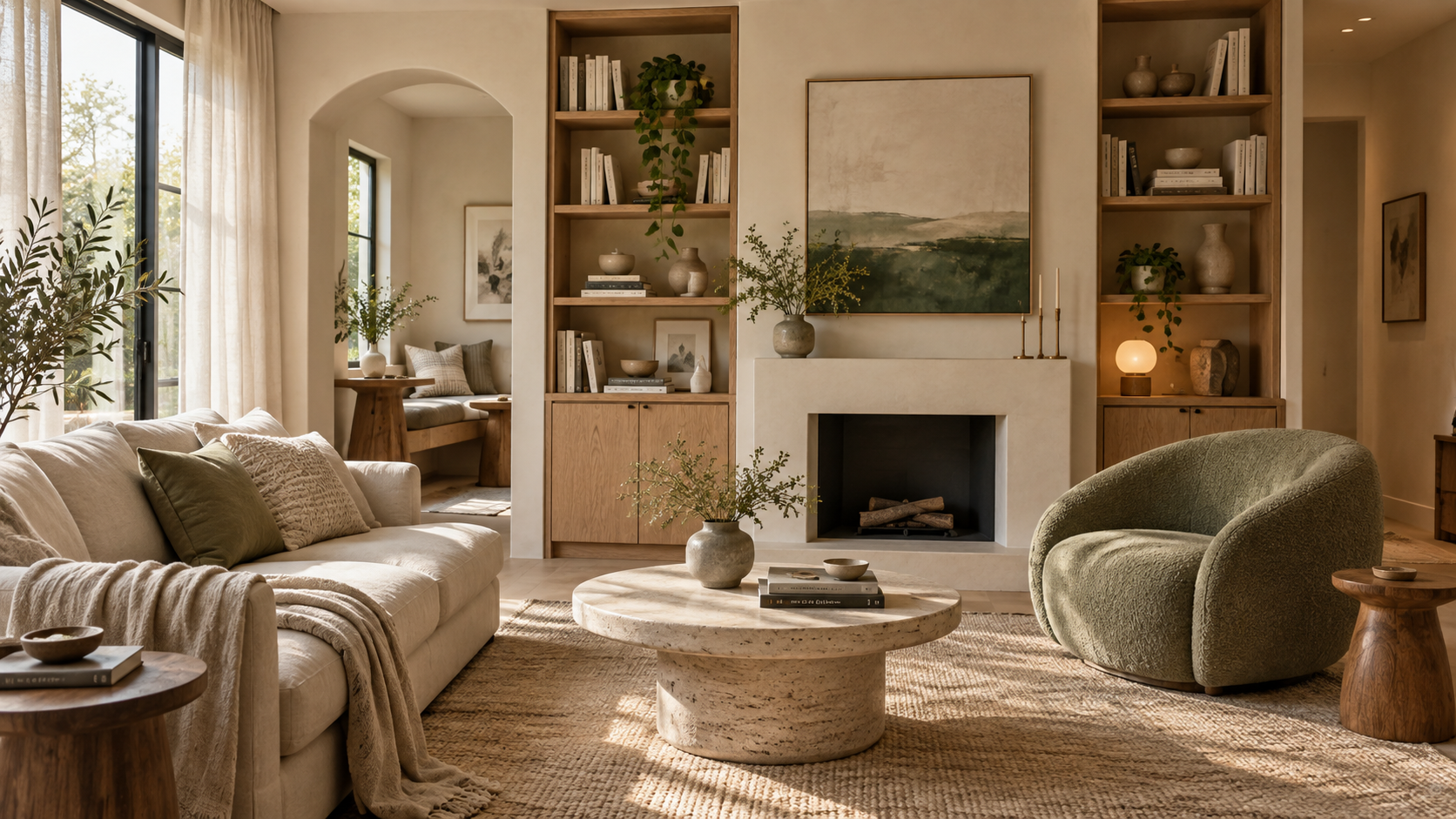
A single ceiling light rarely serves a kitchen well. Combine general ceiling lighting with focused task lighting beneath wall cabinets and decorative pendants above an island or table. Warm bulbs usually make wood and stone feel richer, while dimmers allow the mood to change from morning preparation to evening dining.
Worktops, sink, and cooktop
Ceiling and wall illumination
Shelves, art, and architectural details
Dimmers for flexible evenings
5. Design the Island Around Real Life
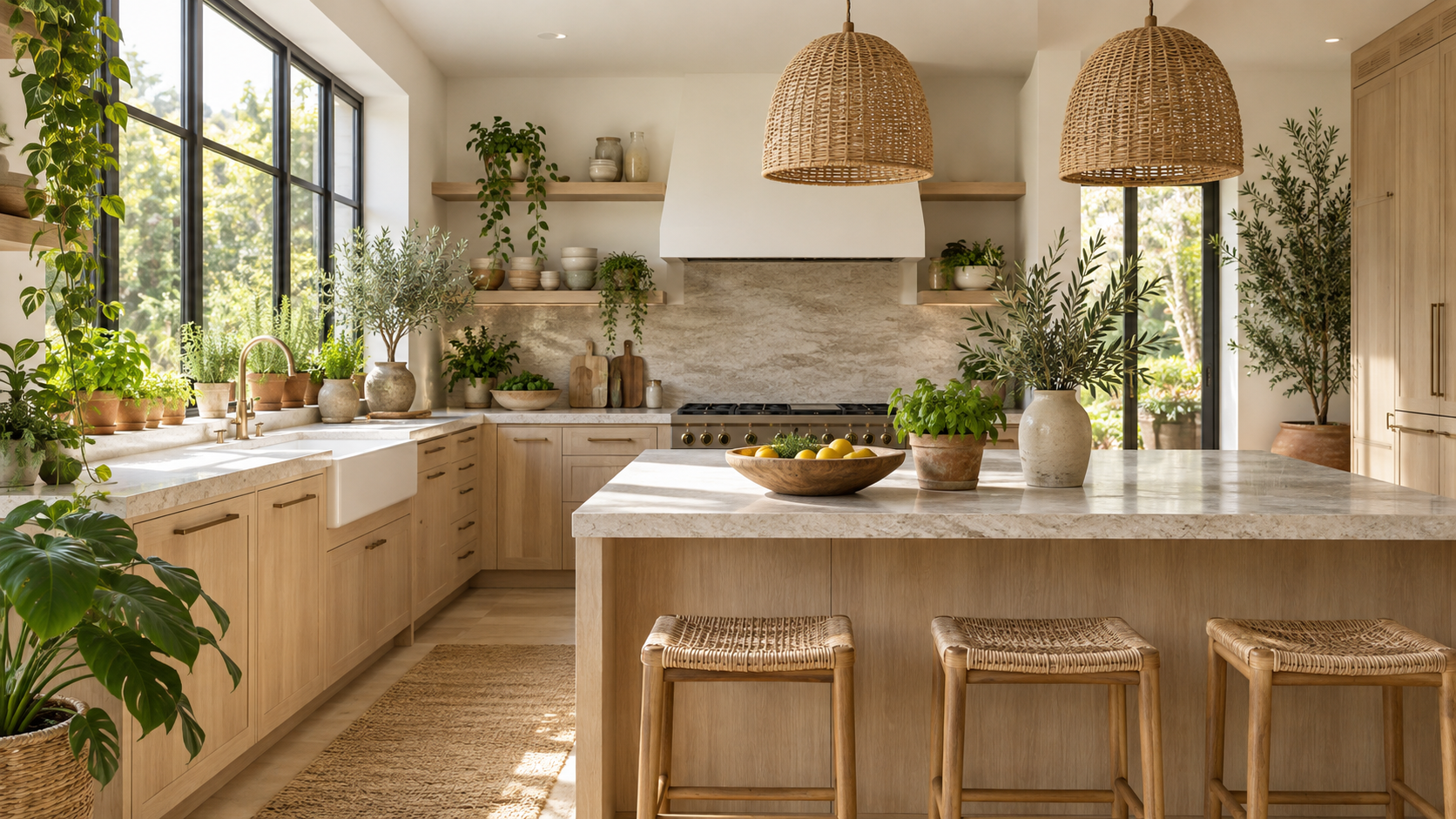
The island is often the visual center of a kitchen, but it should also be comfortable to use. Leave enough clearance around it for doors and people to pass. If stools are included, choose a seat height that matches the counter and allow comfortable knee space. Keep decorative objects to one focal arrangement so the worktop remains useful.
6. Choose Materials That Age Gracefully
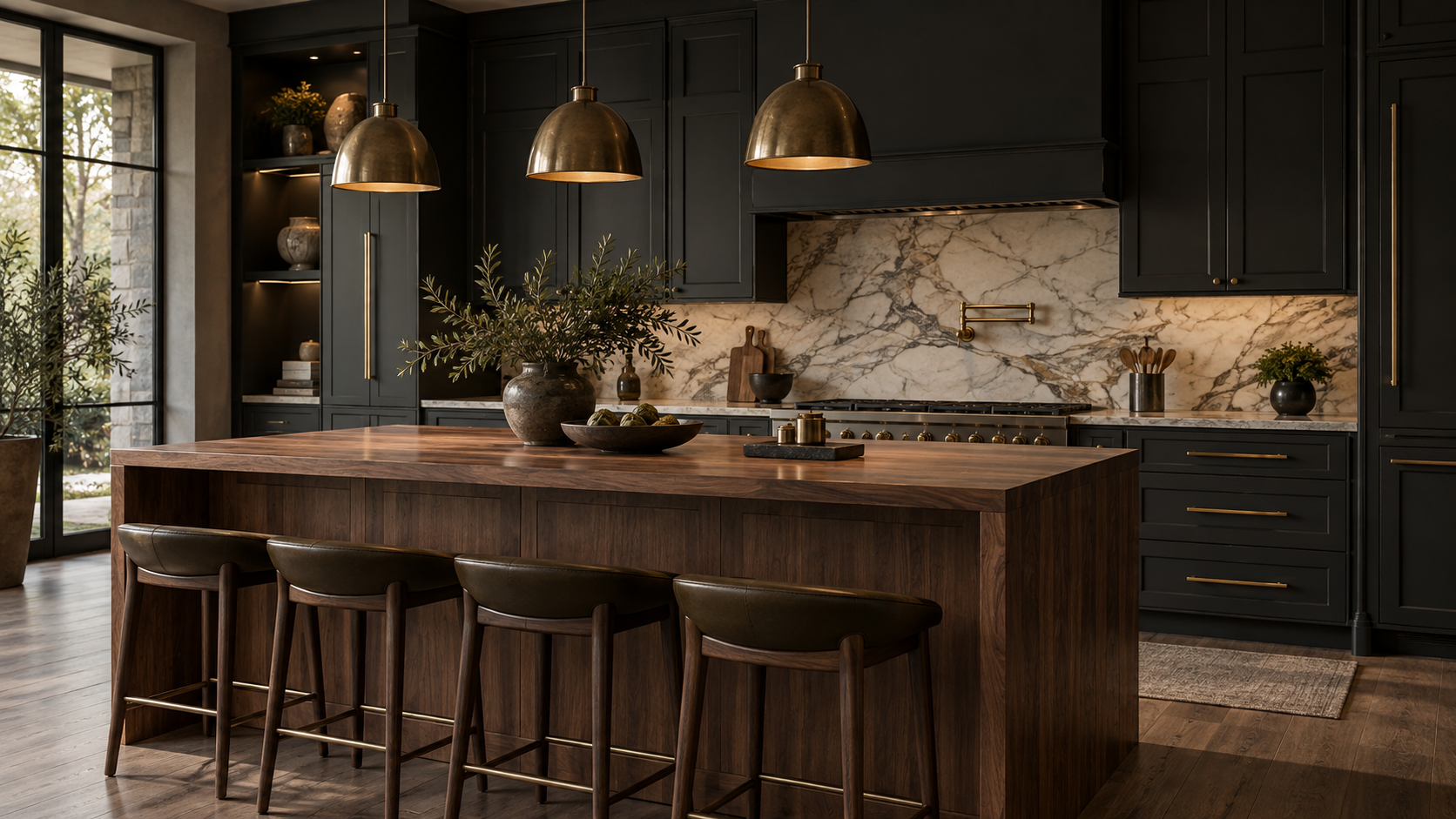
Timeless kitchens rely on materials with texture rather than excessive decoration. Honed stone, handmade-look tiles, natural wood, and brushed metal can be combined in a restrained palette. Before choosing a finish, consider how it will respond to fingerprints, heat, water, and regular cleaning.
7. Use Color with Confidence and Restraint
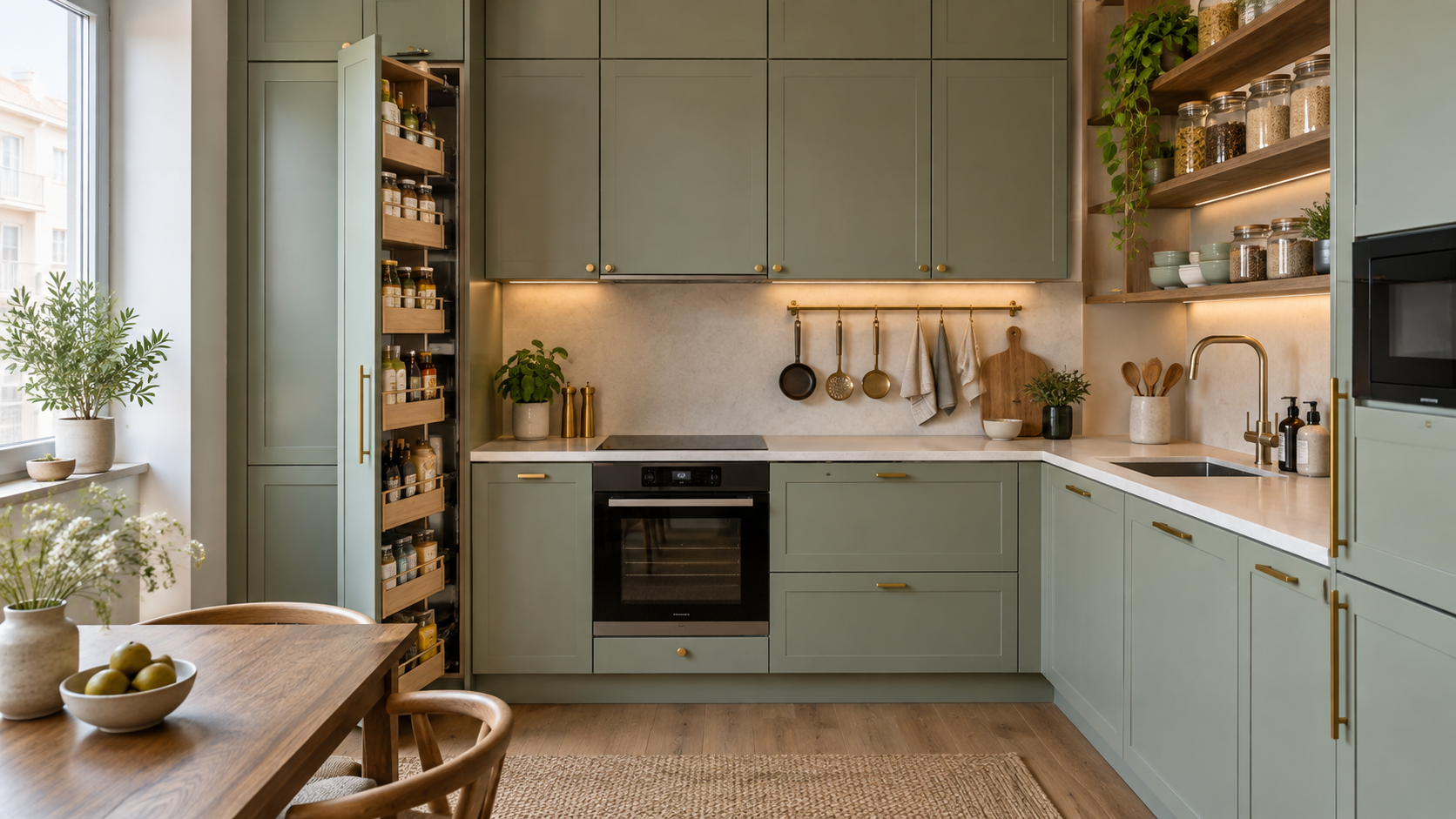
Color does not need to cover every surface to make an impact. A muted green base cabinet, warm white wall cabinet, or terracotta accent can give the kitchen character while keeping the overall look calm. Repeat the accent color in small details such as ceramics, textiles, or artwork rather than adding several unrelated shades.
8. Connect the Kitchen to the Dining Area
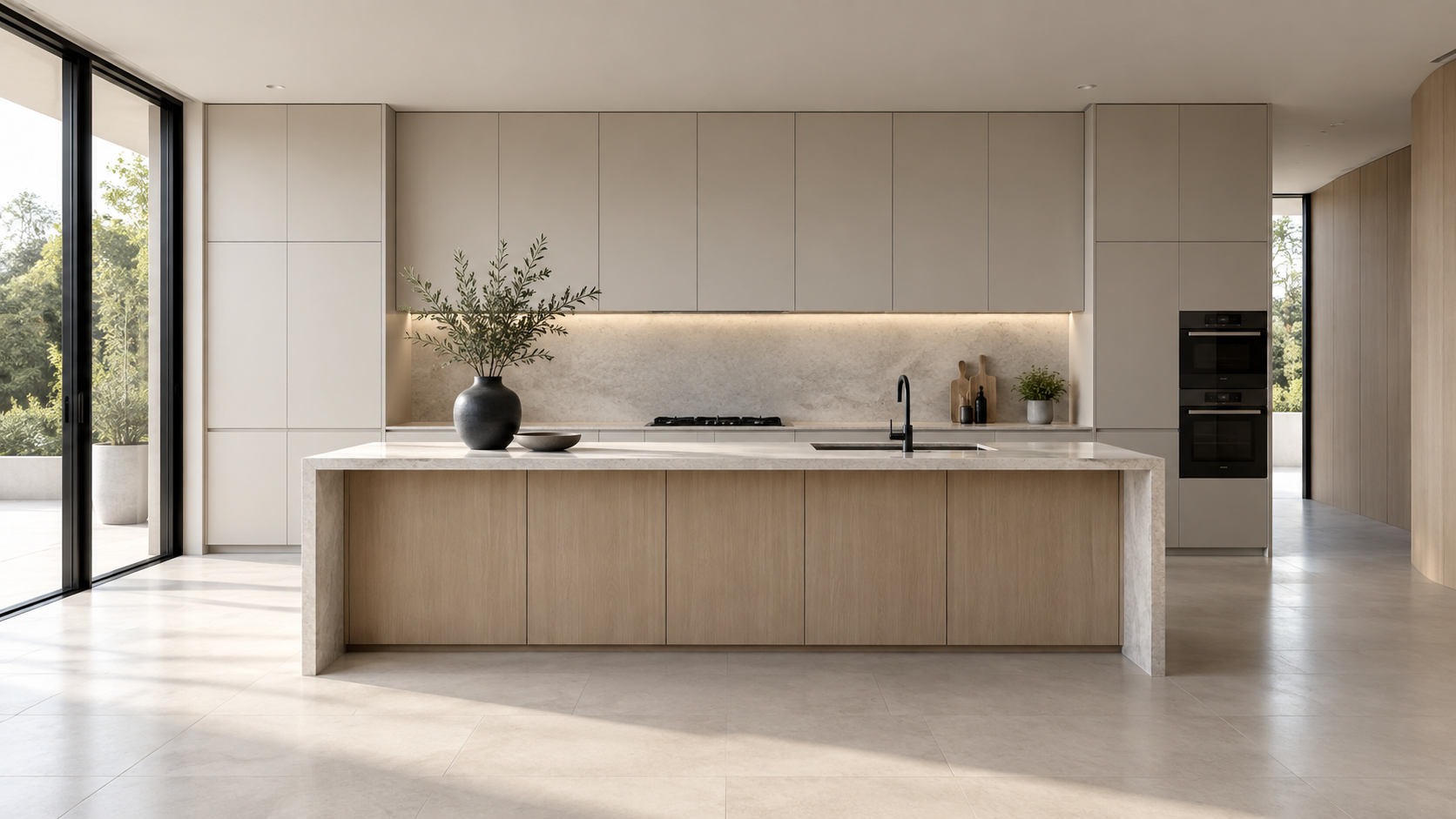
In an open-plan home, the kitchen and dining area should feel like related spaces. Repeat wood tones, coordinate upholstery with cabinet colors, and use a rug or pendant light to define the dining zone. The result is a smoother transition between cooking, eating, and relaxing.
9. Let Natural Light Shape the Layout
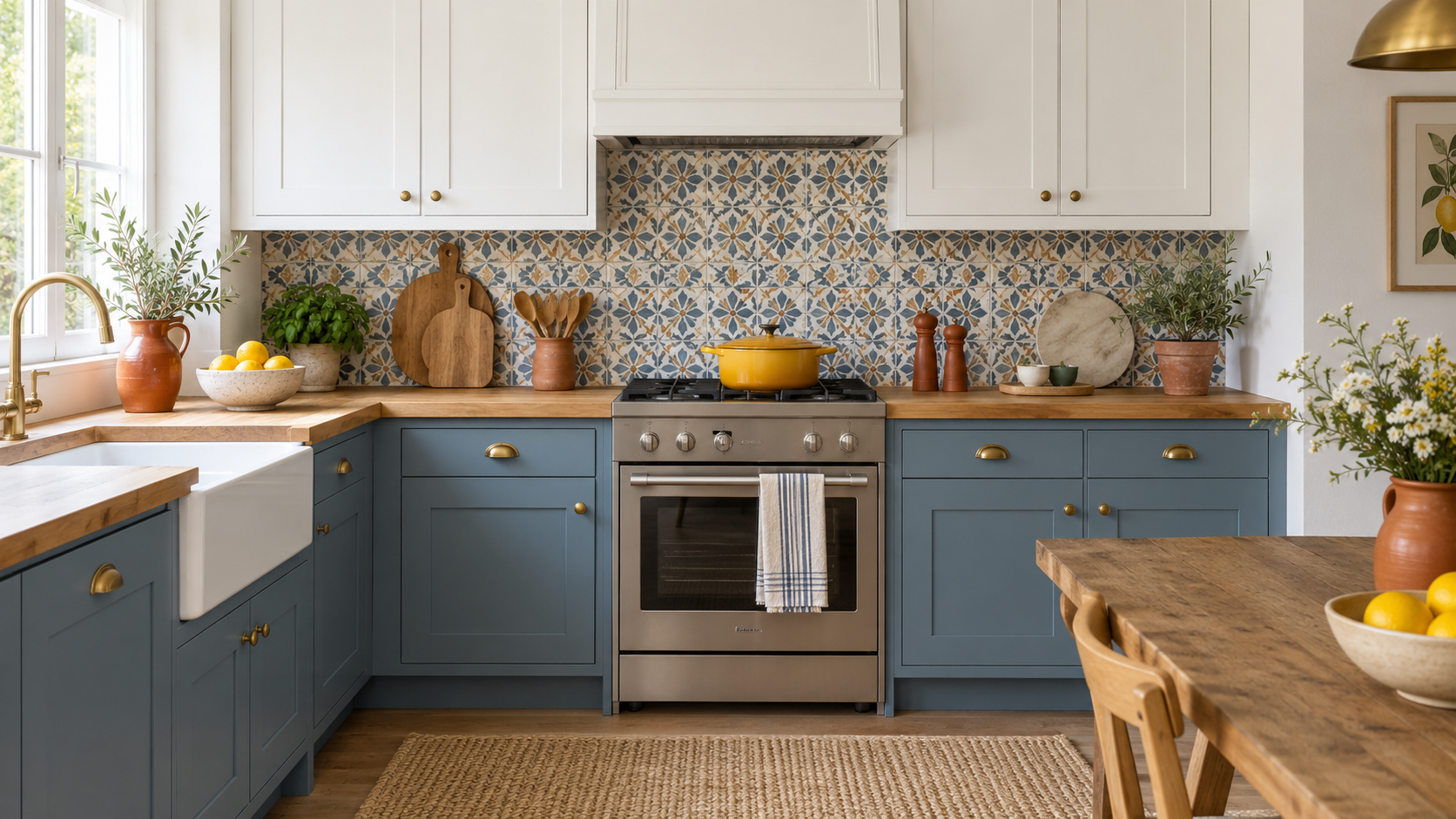
Place the most-used work surfaces where daylight improves visibility, but avoid positioning delicate finishes in harsh direct sun without protection. Window views can also become part of the design, so keep the area around them visually light and avoid unnecessary tall cabinets that block the room’s best feature.
10. Balance Wood with Quiet Contrast
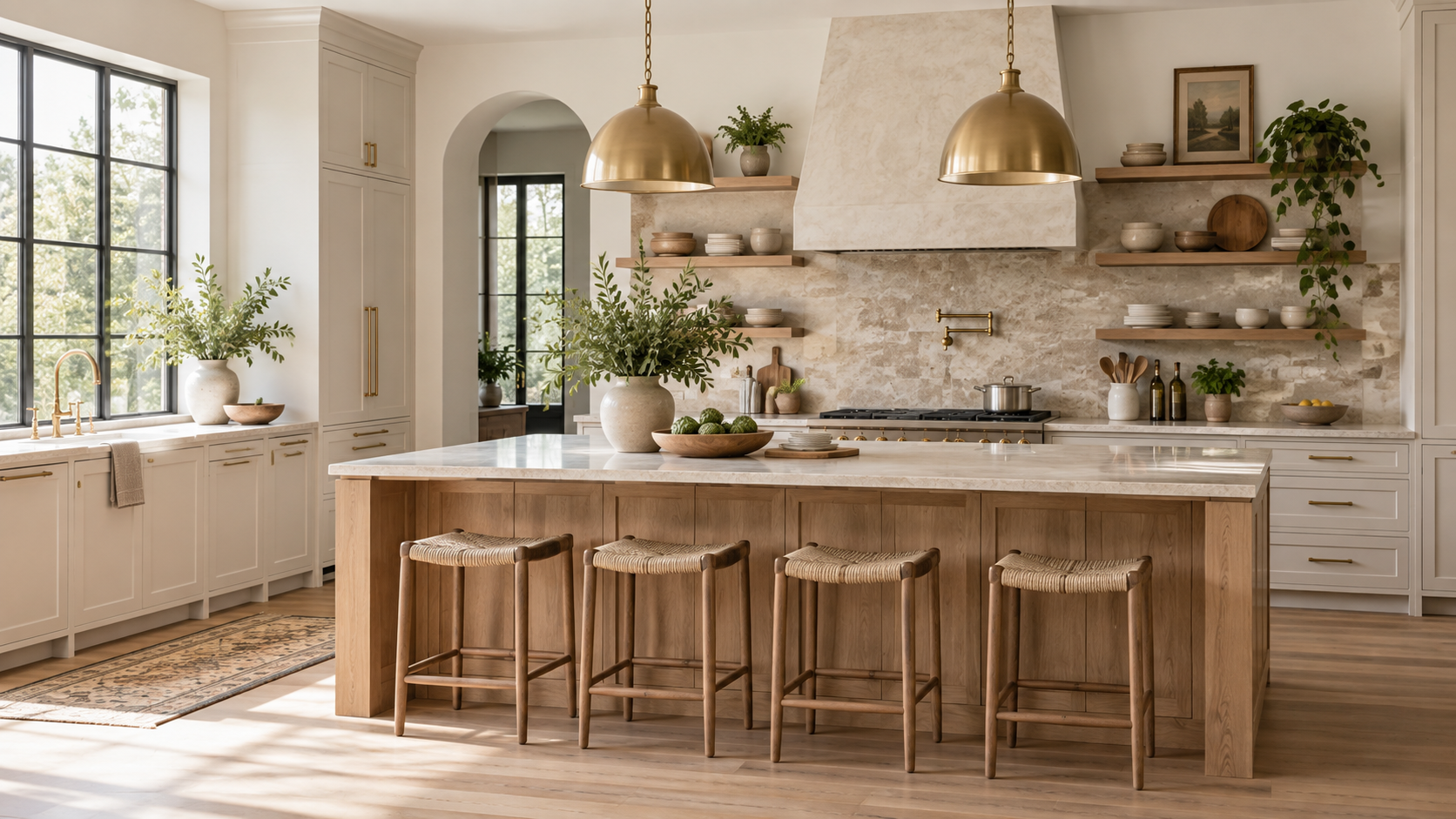
All-wood kitchens can feel heavy if every surface has the same tone. Add contrast through a pale backsplash, a darker worktop, matte hardware, or a soft painted cabinet. The goal is not dramatic opposition; it is enough variation to help each material read clearly.
11. Keep the Kitchen Easy to Live In
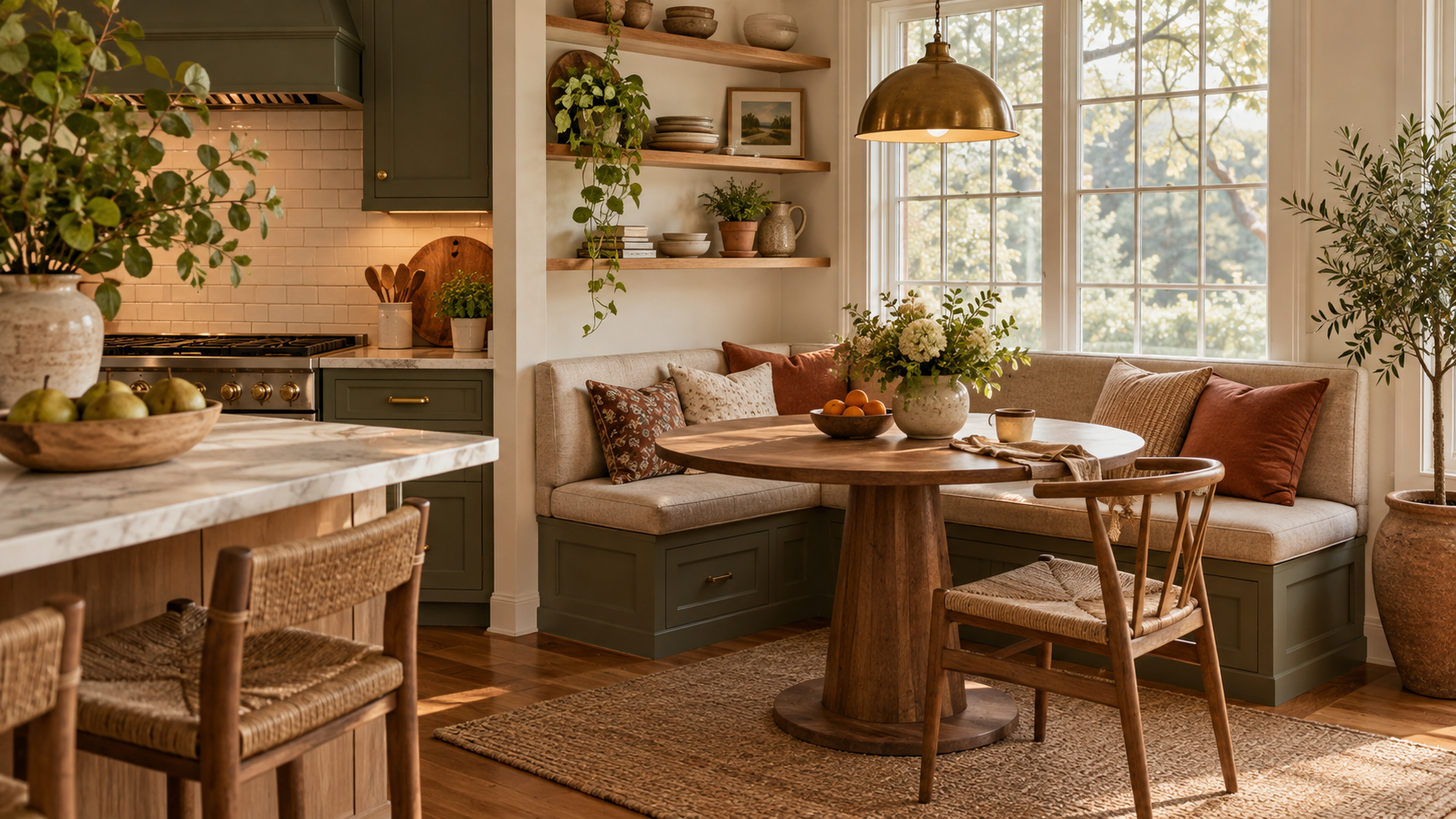
The finishing touch is usability. Leave a clear landing area beside the refrigerator, place frequently used items within reach, and choose surfaces that are simple to maintain. A kitchen becomes genuinely beautiful when its design supports the rhythm of the people who use it every day.
A Simple Kitchen Planning Checklist
- Measure circulation routes before choosing an island.
- Plan storage by activity: cooking, cleaning, serving, and groceries.
- Use at least two or three lighting layers.
- Limit the palette to a few materials that work together.
- Choose durable finishes before decorative accessories.
How to Plan a Kitchen Layout Before Choosing Finishes
A successful kitchen renovation starts with movement, not color. Divide the room into practical zones: food storage near the refrigerator, preparation space beside the sink, cooking space around the cooktop, and a serving or cleaning zone that does not interrupt the main route. This approach helps you decide where cabinets, outlets, appliances, and lighting should go before you spend money on decorative finishes.
Refrigerator, pantry, and everyday groceries.
Clear worktop beside the sink and chopping tools.
Cooktop, oven, heat-safe storage, and task light.
Plates, glasses, seating, or a connection to dining.
Measure door swings, window openings, radiator positions, and appliance dimensions carefully. A beautiful plan can still be frustrating when a dishwasher blocks a drawer or an island makes the main walkway too narrow.
Kitchen Design Mistakes That Reduce Comfort
Many kitchens look attractive in photographs but feel difficult in daily use because the practical details were treated as an afterthought. Avoid placing the sink too far from the main preparation area, using open shelving for items you rarely use, or selecting glossy finishes without considering fingerprints and cleaning.
- Do not sacrifice circulation space just to add a larger island.
- Do not rely on decorative pendant lights as the only work lighting.
- Do not mix several unrelated wood tones in a small room.
- Do not place heavy appliances where they interrupt the most-used route.
- Do not fill every open shelf; negative space keeps the kitchen calmer.
High-Impact Kitchen Updates on a Realistic Budget
You do not always need a complete renovation to make a kitchen feel more considered. Replacing cabinet handles, improving under-cabinet lighting, adding a washable runner, or organizing one difficult drawer can create a noticeable improvement. A new faucet or a carefully chosen backsplash can also change the character of the room without replacing every cabinet.
How to Choose a Kitchen Style That Will Last
Trends can be useful for inspiration, but a lasting kitchen usually depends on proportion and material quality rather than a fashionable color. Choose a cabinet shape you will still enjoy, then bring seasonal personality through paint accents, textiles, ceramics, and plants that can be changed easily. If you like bold ideas, use them on one controlled feature instead of every surface.
For a connected home, let the kitchen share one or two details with nearby rooms. The same wood tone can appear in a living-room table, while a muted accent color can return in cushions or artwork. This creates a smooth visual story without making every room identical. See the matching living room design guide for ideas on connecting open-plan spaces.
Frequently Asked Questions
What is the most important feature in a modern kitchen?
A clear layout is more important than an expensive finish. The sink, cooktop, refrigerator, storage, and main preparation surface should work together without unnecessary steps.
How can I make a small kitchen look larger?
Use a restrained color palette, continuous surfaces, reflective or light-toned finishes, and storage that keeps the countertop visually clear. Good lighting also makes a major difference.
Which kitchen colors feel timeless?
Warm white, natural wood, soft sage, muted blue-gray, and gentle stone tones are versatile choices. Add stronger colors through details that can be changed easily.
Great kitchen design is a balance between beauty, movement, storage, and comfort. Choose the ideas that match your space and your routine, then build a palette that will still feel right years from now.