Calm Kids’ Room Decor Ideas That Grow With Your Child
Create a calm, practical kids’ room with adaptable furniture, smart storage, reading and study zones, layered lighting, and decor that grows with your child.
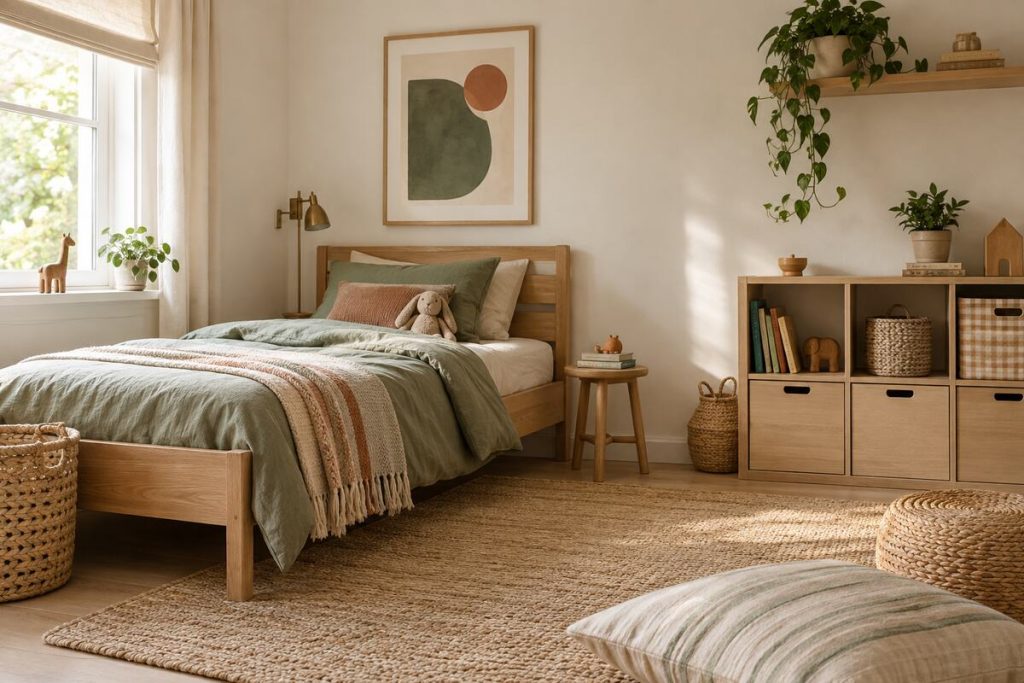
A child’s room has to do far more than look charming. It is a place to sleep, read, dress, play, create, and gradually become more independent. The most successful kids’ room decor ideas make those daily activities easier while leaving enough flexibility for changing interests. Instead of building the room around a short-lived theme, start with a calm foundation, practical furniture, and layers of personality that can be updated without a complete makeover.
This approach is useful for compact bedrooms, shared rooms, and spaces that must serve several purposes. It also creates a more restful visual atmosphere: fewer competing colors, clearer storage, and a layout that gives each activity a natural home. The result can still feel playful and personal—just more considered, comfortable, and durable.
Begin With a Calm and Adaptable Foundation
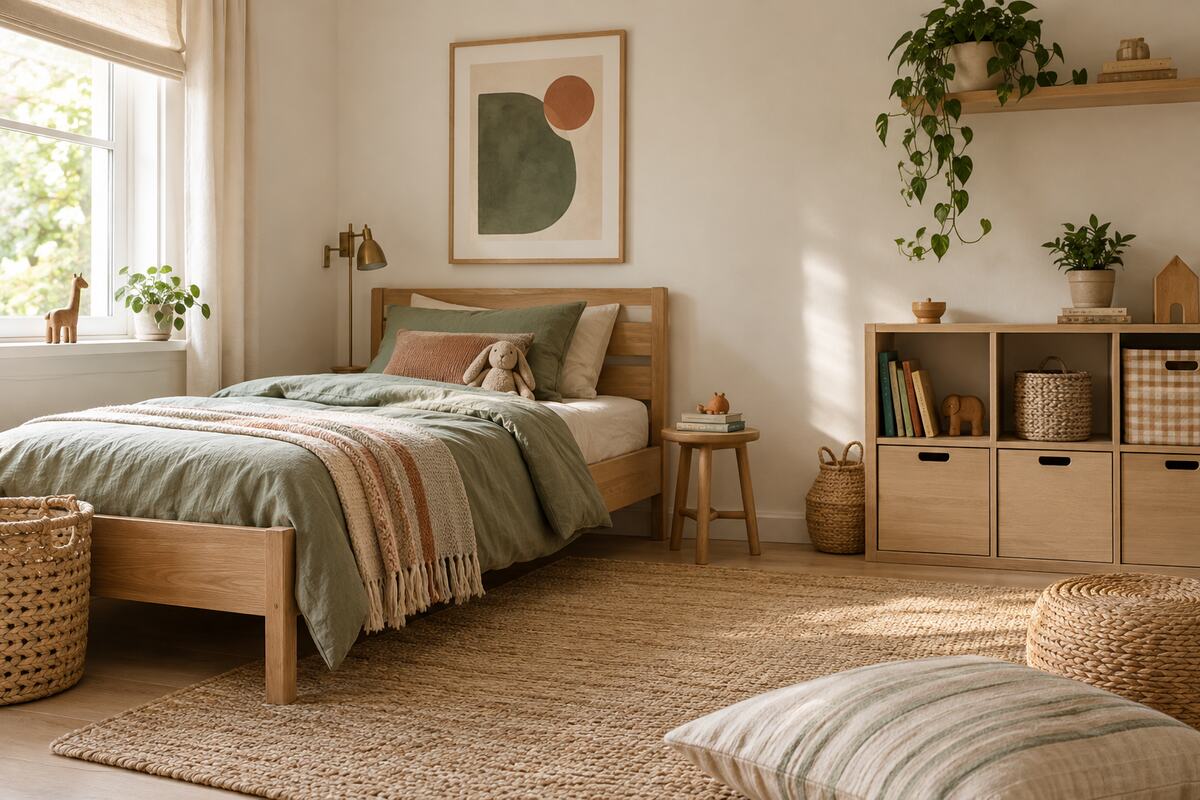
Permanent surfaces have the greatest visual impact and are the most inconvenient to replace, so keep them versatile. Warm white, soft sand, pale gray-blue, muted sage, or a gentle clay tone can support many styles and age groups. A restrained wall color does not make a room boring; it gives art, books, textiles, and toys enough space to be noticed.
Natural-looking wood is equally adaptable. A simple oak, birch, or painted bed works with whimsical accessories in the early years and more mature bedding later. If the floor is visually busy, use one large rug to create a unified field rather than several small rugs that interrupt circulation. Washable materials and a low pile make day-to-day care easier.
Choose the largest pieces first: the bed, wardrobe, dresser, and desk if one is needed. Their proportions should suit the room rather than filling every wall. Leaving some visible floor space creates breathing room and makes the bedroom easier to use. The same principle appears throughout our guide to making small rooms feel more open: clarity often matters more than adding another clever object.
Plan the Room Around Everyday Routines
Before selecting accessories, observe what needs to happen in the room. A younger child may need an open play area, accessible toy storage, and a small reading spot. A school-age child may need a focused work surface, better task lighting, and more room for books. Teenagers generally need stronger privacy, wardrobe capacity, and a flexible place to study or relax.
Divide the room into simple zones without adding physical barriers. The bed establishes the sleep zone. A rug can define play space, a wall-mounted book ledge can identify a reading corner, and a desk creates a clear work zone. In a compact room, one piece can serve two purposes: a window bench may combine reading and storage, while a desk can also function as a craft table.
Keep the route from the door to the bed, wardrobe, and window clear. Good circulation makes the room feel larger and reduces daily friction. Avoid placing frequently used drawers where they collide with the bed or door, and check that storage can open fully before committing to the layout.
Create a Reading Corner That Invites Quiet Time
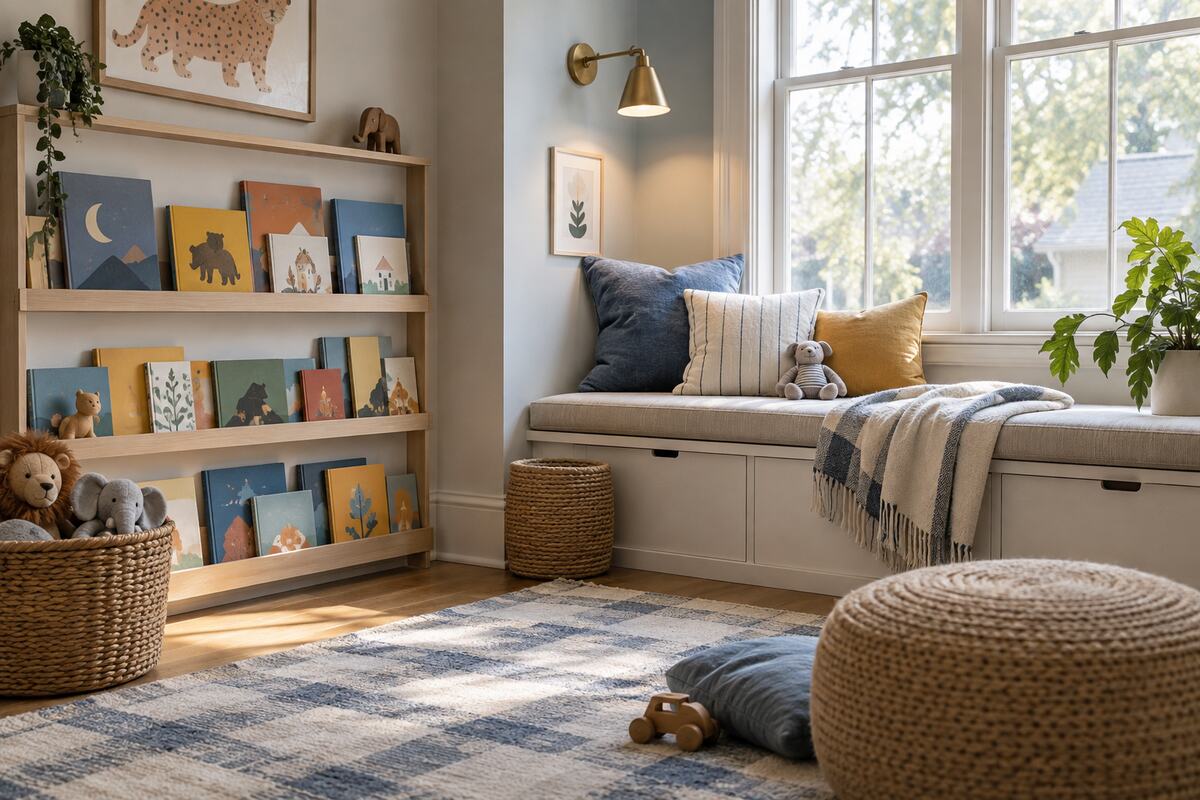
A reading nook does not require much space. It needs a comfortable place to sit, books within reach, and enough light. A floor cushion, small upholstered chair, or window bench can work depending on the child’s age and the room’s proportions. Front-facing ledges make book covers easy to see, while deeper shelves hold a larger collection for older readers.
Keep the arrangement edited so the corner stays inviting. Display a rotating group of favorite books and store the rest in a basket or closed cabinet. Add one soft blanket and a supportive cushion instead of piling on so many textiles that the seat becomes difficult to use. A wall sconce or compact lamp can provide focused illumination, but cords should be secured and fixtures installed according to the manufacturer’s guidance.
This quiet corner can also carry the room’s personality. A small framed print, a special soft toy, or two accent colors repeated in book covers and cushions are enough. The goal is a place that feels distinct without becoming disconnected from the rest of the bedroom.
Make Storage Easy for Children to Use
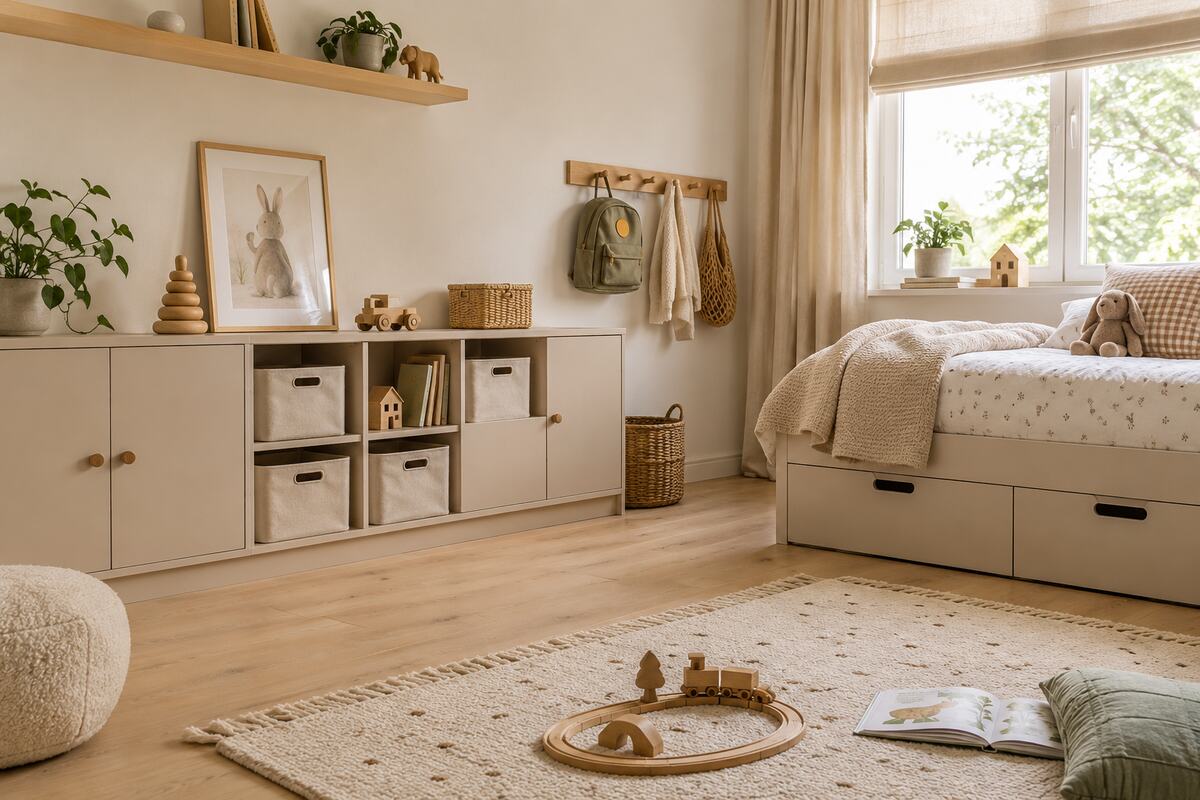
The best storage system is one a child can understand and maintain. Place everyday items at an accessible height and reserve upper shelves for seasonal pieces or things handled by adults. Low drawers, open cubbies, shallow baskets, and hooks can encourage independence because each item has an obvious destination.
Combine open and closed storage. Open shelves are useful for a small selection of attractive books and toys, but too many visible objects can make the room feel restless. Closed cabinets contain visual noise, protect projects, and allow the room to return to a calm baseline at the end of the day. Under-bed drawers are especially valuable when the footprint is limited.
Use broad categories rather than complicated labels: books, building toys, art supplies, soft toys, and dress-up pieces. A young child can follow picture labels; an older child may prefer simple words. Periodically remove items that are broken, outgrown, or no longer used. If you want decorative containers to feel intentional rather than random, the ideas in our guide to small-space decor accessories can help you choose texture and color with restraint.
Safety remains part of good design. Anchor tall or heavy furniture to the wall using the correct hardware, keep climbing opportunities away from windows, and follow current product instructions for beds, blinds, lighting, and storage units. Beautiful organization is only successful when it supports safe everyday use.
Build a Creative Zone That Can Change
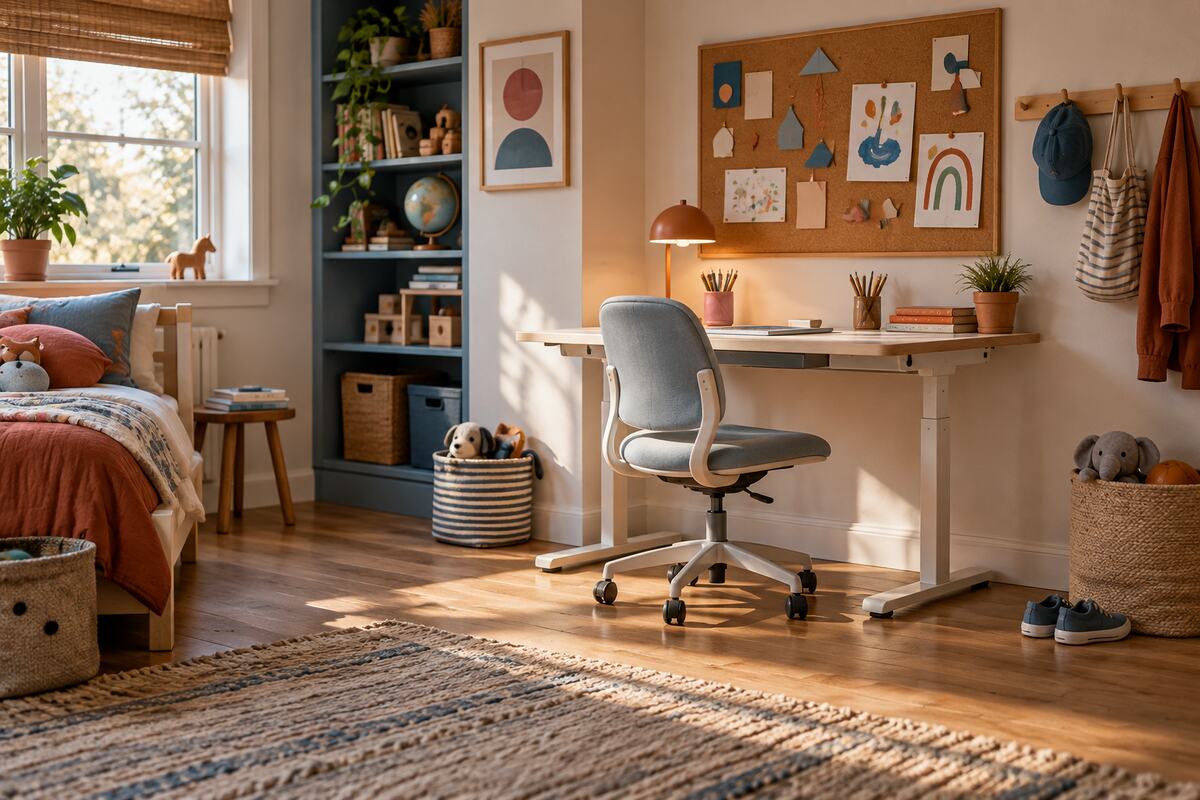
A creative area should support the child’s current activities without being locked into a single age. An adjustable-height desk or a simple table with replaceable legs can evolve from drawing surface to homework station. Pair it with a supportive chair and a task lamp that directs light onto the work area without glare.
Vertical space is useful here. A corkboard, magnetic rail, or framed pinboard gives drawings and projects a designated place while keeping the desktop clear. Rotate the display instead of covering every wall. This makes each piece feel more important and prevents the room from looking visually crowded.
Store supplies close to where they are used. A portable caddy works for young children who create in different rooms, while drawers or a narrow peg rail suit a permanent study setup. Leave part of the surface empty so the area is ready to use; a beautifully styled desk that must be cleared before every activity quickly becomes decorative rather than functional.
Use Color and Pattern in Layers
Color is often where a child’s preferences can be expressed most freely. The easiest method is to choose a calm base, one main accent, and one supporting accent. Muted blue with ochre, sage with terracotta, or dusty rose with forest green can feel playful without overwhelming the room. Stronger colors work well in smaller doses through bedding, art, lamps, baskets, and removable decals.
Patterns are most effective when their scale varies. Pair a simple stripe with a small botanical or geometric motif rather than using several equally bold prints. Repeat one or two colors across different materials to create connection. If the room already contains colorful toys and books, solid textiles may provide the balance it needs.
Allow room for imperfection and change. A child’s handmade art, collected objects, and favorite books will add color naturally. By keeping expensive elements quiet, you can update the atmosphere with a duvet cover, a few prints, or a painted small piece of furniture rather than replacing the entire scheme.
Design a Shared Bedroom With Fairness in Mind
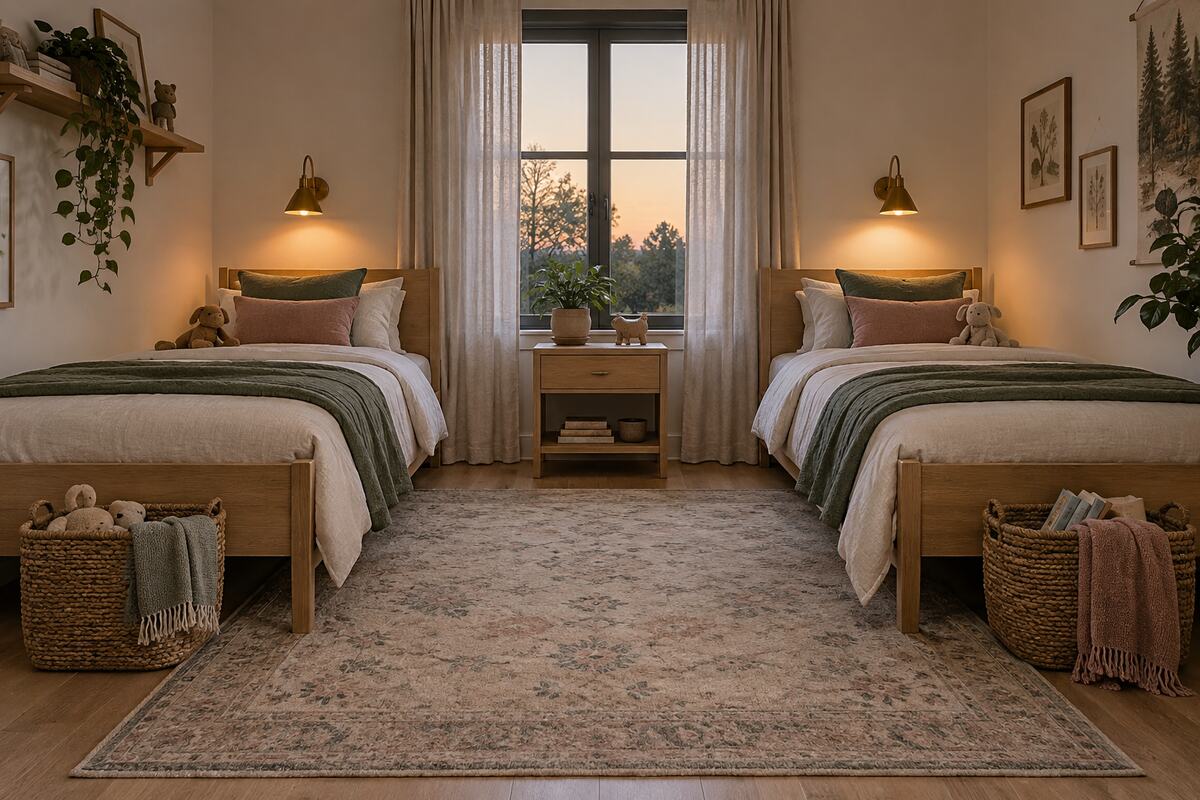
Shared rooms feel calmer when each child has a recognizable personal area. The beds do not have to match exactly, but similar proportions and a shared color palette create visual order. Give each child an individual reading light, bedside surface, storage basket, and a small section of wall for art or photographs.
Symmetry can simplify a narrow room, but it is not the only solution. An L-shaped bed layout may open more central floor space, while bunk beds can free room for a desk or play area when they are age-appropriate and used according to safety guidance. Test the circulation path and access to drawers before choosing the most visually attractive arrangement.
Shared storage should be clearly divided. Separate drawers, shelf sections, or color-coded bins reduce confusion. A central basket can hold genuinely communal items. The aim is not to make both halves identical; it is to give each child comparable function and a sense of ownership.
Layer Lighting for Activity and Rest
One ceiling fixture rarely meets every need. Combine general light with focused task lighting and a softer source for evening. A central pendant or flush mount supplies ambient illumination, a desk lamp supports reading and homework, and a shaded bedside lamp or wall light creates a gentler mood before sleep.
Use bulbs with a consistent warm appearance so the room does not feel patchy. Dimmers can help a single fixture move between active play and bedtime, provided the fixture and bulb are compatible. Maximize daylight with window treatments that control glare while remaining easy to operate. Keep blind cords safely managed and follow the product’s installation instructions.
Add Personality Without Creating Clutter
A child’s room should reflect the person who lives there. Invite the child to choose between a few considered options: two paint colors, several bedding sets, or a selection of prints. A limited choice gives them meaningful ownership while preserving a coherent result.
Use removable and replaceable layers for themes. A fascination with space, animals, sports, or the ocean can appear through art, one cushion, books, and a special object rather than themed furniture on every surface. When interests change, the room can change with them. For a broader framework on balancing beauty and utility, see our interior design ideas for a functional home.
Plants can add life if the species and placement are suitable for the household. Choose non-toxic varieties when children or pets may reach them, use stable containers, and place hanging or high plants securely. If a real plant is impractical, a high-quality faux branch can provide the same organic shape without maintenance.
Choose Materials for Real Family Life
Durability does not have to look utilitarian. Washable paint, removable cushion covers, tightly woven rugs, solid drawer hardware, and wipeable desk surfaces reduce maintenance while still feeling refined. Test whether baskets have rough edges, furniture corners interrupt circulation, or delicate objects sit where they are likely to be knocked over.
Spend more on pieces that carry weight or see daily use, such as the bed, mattress, storage, and desk chair. Save on elements that will change sooner, including prints, decorative pillows, small lamps, and display objects. This split creates a room that feels finished now without making future updates expensive.
Bring the Room Together With a Simple Final Edit
When the main pieces are in place, remove everything that does not support sleep, storage, play, reading, or personal meaning. Check that the floor has a clear path, each activity has light, and frequently used belongings are easy to reach. Then repeat a few materials or colors: perhaps light wood, woven texture, warm white, and two muted accents.
The most enduring kids’ room decor ideas are not about making a miniature showroom. They create an orderly background for real life, with enough softness to feel comforting and enough flexibility to keep pace with growth. A calm foundation, clear zones, accessible storage, and changeable layers allow the room to mature naturally—without losing the playfulness that makes it belong to a child.