Budget Home Makeover Ideas That Feel Thoughtful and Refined
Refresh your home on a realistic budget with better furniture placement, paint, secondhand pieces, textiles, lighting, and carefully edited decor.
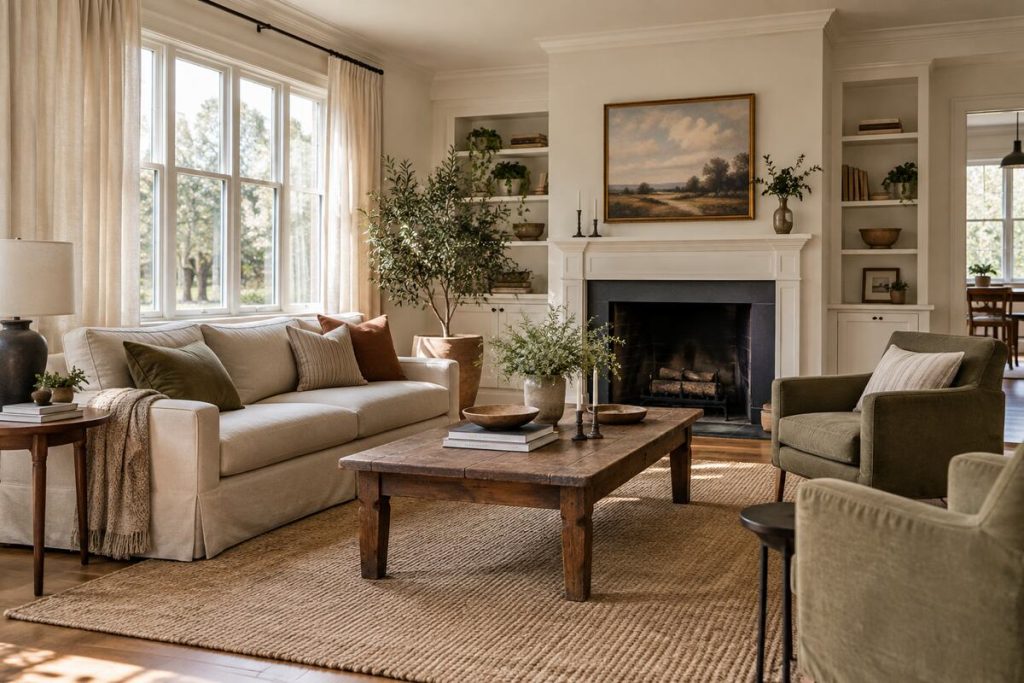
A beautiful home does not require a complete renovation or a room full of new furniture. The most effective budget home makeover ideas improve what you already own, correct the layout, and focus spending on changes that influence the whole room. Paint, lighting, textiles, hardware, and thoughtful editing can create a more refined result than a collection of expensive but unrelated purchases.
The key is to work in the right order. Begin with function and visual balance, then add color, texture, and personality. This approach prevents impulse purchases, helps every room feel connected, and makes a limited budget go much further. The following ideas are designed for real homes, including rentals and compact spaces, where each change needs to be practical as well as attractive.
Make a Plan Before You Buy Anything
Start by photographing the room from each corner. Images make awkward proportions, clutter, and empty walls easier to notice than when you see the space every day. Write down what is not working in practical terms: poor lighting, nowhere to place a drink, furniture blocking a walkway, insufficient storage, or colors that do not connect.
Choose three priorities and assign most of the budget to them. A living room might need a larger rug, better lamps, and a repaired coffee table. A bedroom may benefit more from full-length curtains, fresh paint, and improved bedside lighting. A focused list protects the budget from disappearing into small accessories that look appealing in a shop but do not solve the room’s main problems.
Create a simple palette using finishes already present. Notice the floor, existing wood tones, sofa color, metal hardware, and any item that must remain. Select one quiet base color, one warm or cool accent, and a natural material such as wood, linen, rattan, or stone. For a broader framework, our guide to beautiful and functional interior design explains how these elements work together.
Rearrange the Room Before Replacing Furniture
Furniture placement is free, yet it can transform the way a room feels. Pull the sofa slightly away from the wall, angle a chair toward the conversation area, or move a narrow console to define an entrance. Keep the main walking path clear and make sure frequently used drawers and doors can open fully.
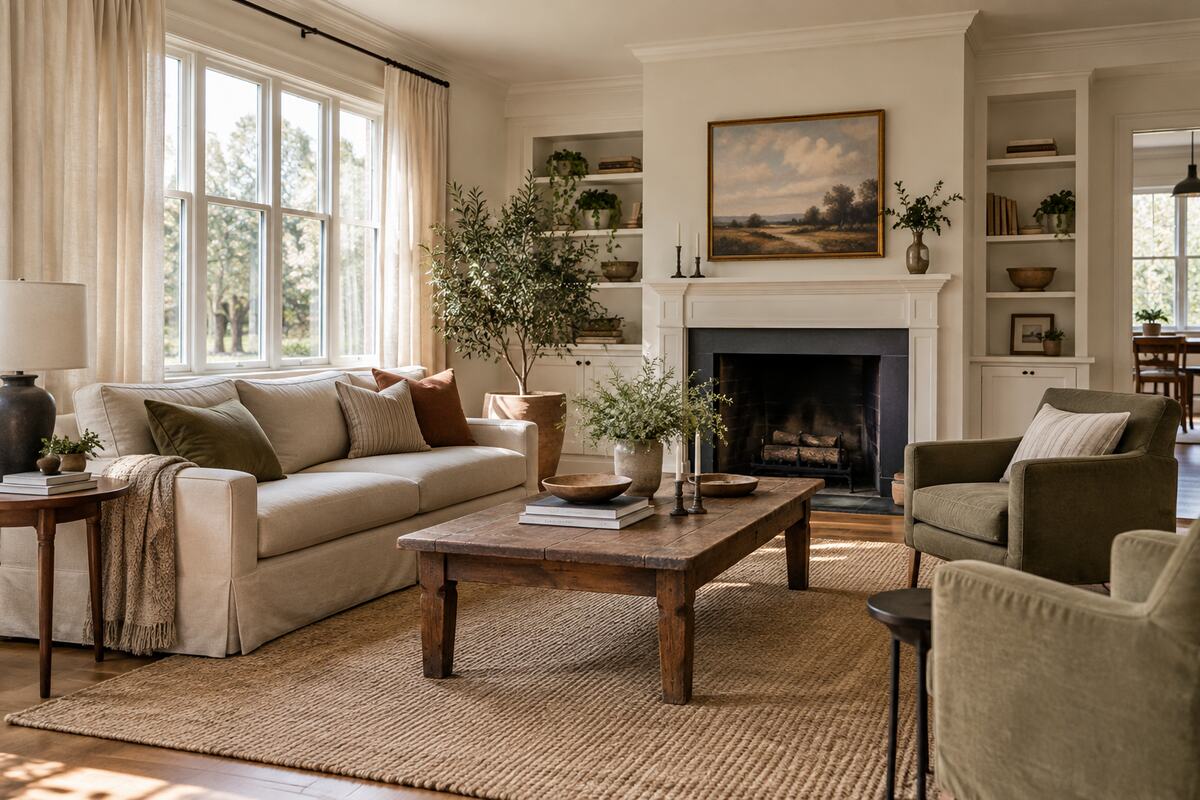
Build the arrangement around one focal point rather than asking every wall to compete. This may be a fireplace, a window, an artwork, or a low media unit. In a living room, the front legs of the main seating can rest on the rug to connect the pieces. In a bedroom, visual balance often improves when bedside elements have similar height even if they are not matching.
Remove one or two unnecessary pieces and live with the new layout for several days. More visible floor and fewer obstacles can make a modest home feel calmer and larger. If space is limited, the principles in our article about making small rooms feel more open can help you decide what deserves to remain.
Use Paint Where It Creates the Most Impact
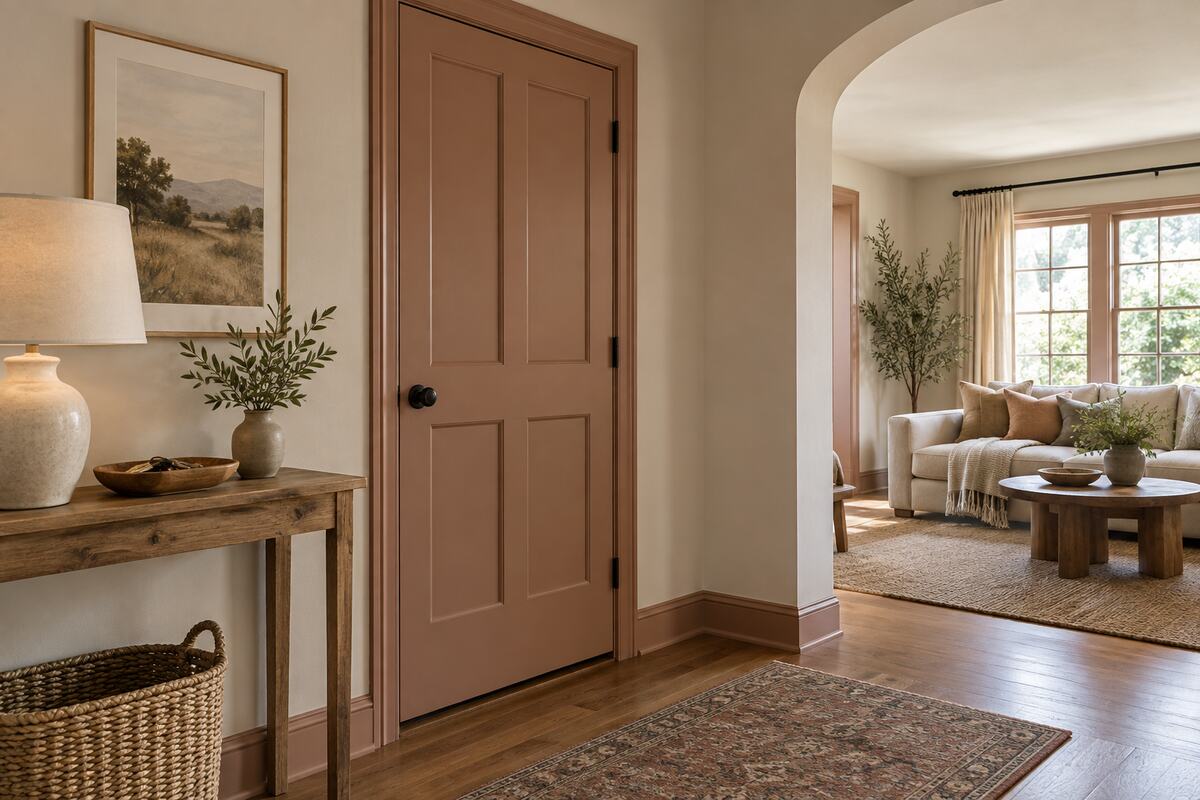
Paint offers a large visual return, but repainting every surface is not always necessary. A fresh neutral on tired walls can brighten the whole room. Alternatively, painting an interior door, window trim, alcove, shelving unit, or the lower portion of a wall can introduce depth with less material and labor.
Use sample pots before committing. View the color in morning light, afternoon light, and under your lamps at night. Undertones become more obvious beside flooring and furniture. Warm whites suit many natural materials, while muted clay, olive, blue-gray, or ochre can highlight architectural details without feeling excessively bold.
Preparation determines whether an inexpensive paint project looks professional. Clean the surface, repair visible holes, sand where needed, protect edges, and apply the correct primer. Use finishes appropriate to the surface and ventilation conditions, and follow product instructions. A careful, even result appears more polished than a fashionable color applied in a hurry.
Refresh Hardware and Small Fixed Details
Cabinet knobs, drawer pulls, switch plates, hooks, curtain rods, and lampshades are small, but they repeat throughout a room. Replacing damaged or mismatched hardware can create consistency for far less than new cabinetry or furniture. Choose a finish already present in the home, then repeat it with restraint.
Measure existing holes before buying handles so you can avoid filling and drilling. If the hardware is sound but dull, cleaning it thoroughly may be enough. A plain lamp can feel new with a correctly sized shade, and inexpensive curtains look more considered when the rod is wider than the window and mounted at a visually generous height.
Renters can store original hardware in labeled bags and reinstall it later. Removable changes should still be secure, suitable for the surface, and approved where the lease requires it.
Give Secondhand Furniture a Cohesive Role
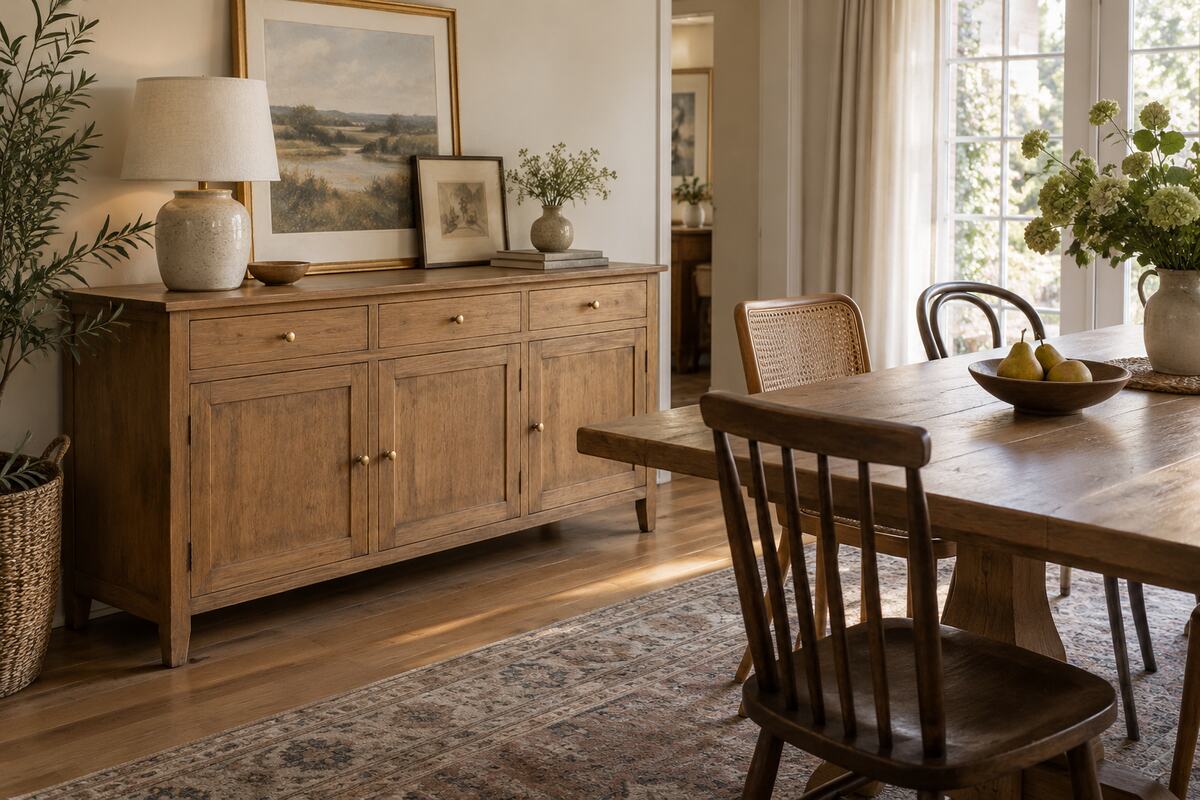
Secondhand furniture often offers better materials and more character than a new low-cost piece. Look for solid construction, useful proportions, smoothly operating drawers, and a shape that suits the room. Surface scratches are usually easier to address than structural movement, strong odors, water damage, or missing components.
A wood piece may need only cleaning, a light polish, and new knobs. More worn furniture can be sanded and refinished or painted after proper preparation. Do not assume every vintage object must be altered; an aged surface can add warmth when it is stable and clean. The goal is not to make the piece look new, but to help it belong.
Connect a secondhand find to the room by repeating one detail. The wood tone might echo a picture frame, the hardware may relate to a lamp, or the painted color may appear in a cushion. Mismatched dining chairs can feel intentional when they share a similar silhouette, seat material, or color family.
Let Textiles Do the Heavy Visual Work
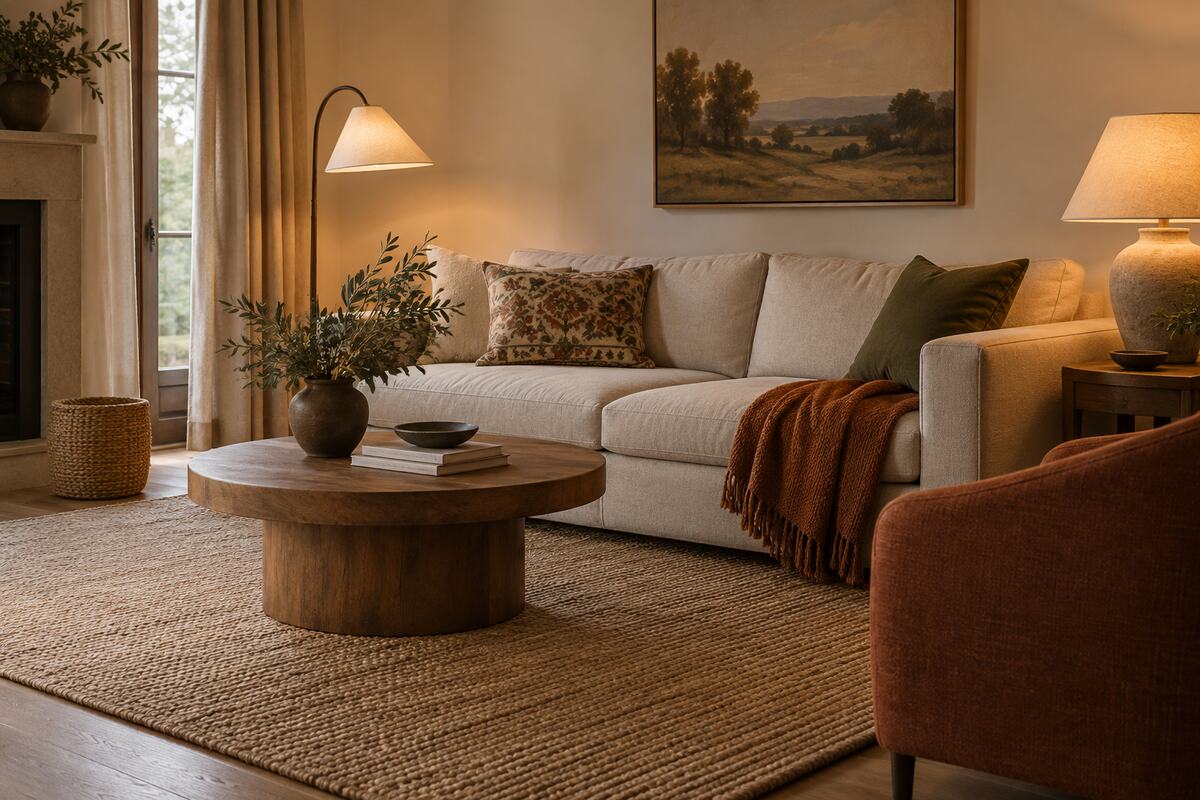
Rugs, curtains, bedding, throws, and cushion covers influence color and comfort without permanent construction. Start with the largest textile because it sets the room’s visual temperature. A rug should relate to the furniture group rather than float like a small mat in the center. In many living rooms, placing at least the front legs of the main seating on the rug creates unity.
Choose washable or durable fabrics for the way the home is actually used. A plain sofa gains depth from one patterned cushion, one solid cushion, and a throw with visible texture. More is not necessarily better; leaving some open seat space keeps the arrangement usable and calm.
Curtains can soften hard edges and make ceilings feel taller. Full-length panels generally look more finished than short ones, while enough fabric width prevents a thin, stretched appearance. Ready-made curtains can often be hemmed or joined by a local tailor for less than custom window treatments.
Layer Lighting Instead of Relying on the Ceiling
A single overhead fixture often makes a room feel flat. Add light at different heights: a floor lamp beside a chair, a table lamp on a console, and a smaller lamp near a reading or work area. These pools of light define zones and create a more welcoming evening atmosphere.
Use bulbs with a similar warm appearance so the room feels cohesive. Match the lamp’s scale to the furniture; a tiny lamp can look lost on a large sideboard, while an oversized shade may crowd a narrow table. Thrifted lamp bases are excellent budget finds when wiring and fittings are safe. Have questionable electrical pieces inspected or rewired by a qualified professional.
Reflective surfaces can extend light without adding another fixture. Position a mirror where it catches a window, lamp, or pleasant view rather than reflecting clutter. Clean windows and lighter window treatments can also improve daylight at almost no cost.
Create Art and Wall Decor With a Clear Structure
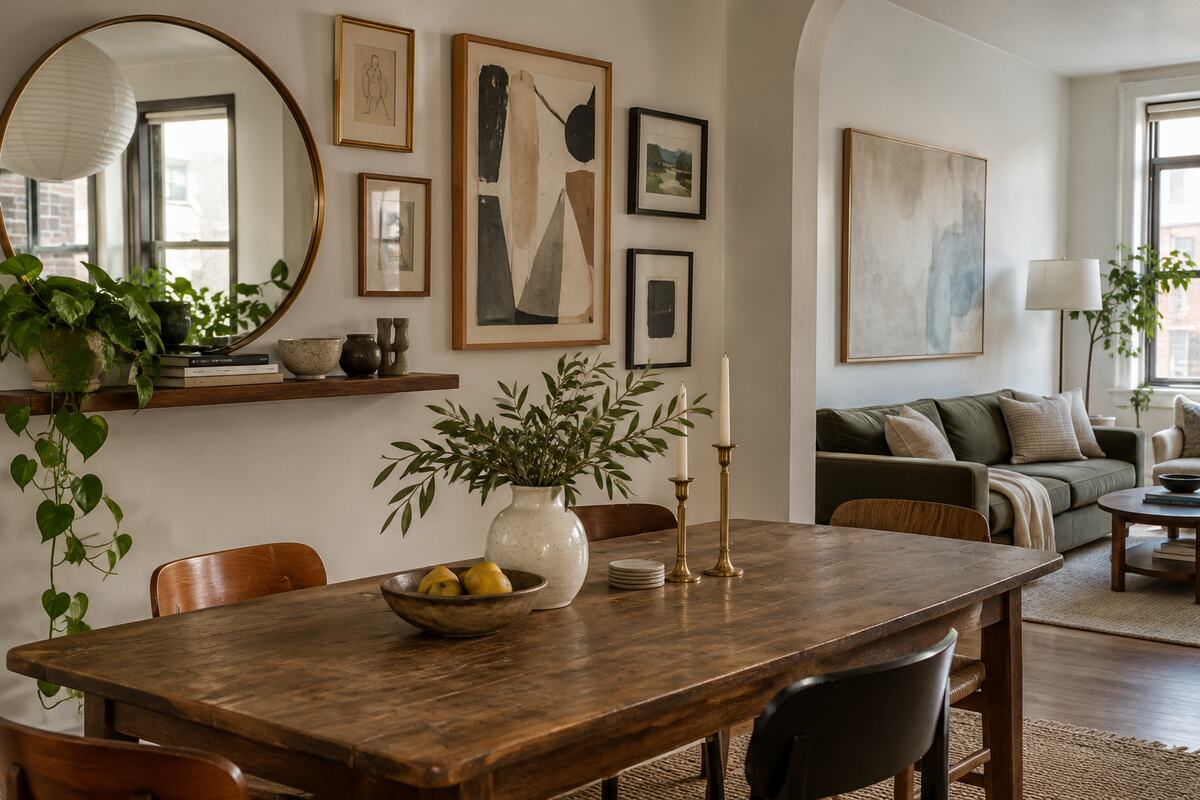
Wall decor looks intentional when it relates to the furniture below it. One large artwork can be more effective than several undersized pieces. If a large piece is beyond the budget, create a gallery wall using thrifted frames, personal photographs, fabric remnants, simple sketches, or public-domain prints that you are permitted to reproduce.
Lay the arrangement on the floor before making holes. Maintain consistent spacing and imagine an outer rectangle around the collection. Frames do not need to match, but limit the number of finishes or repeat colors from the room. Leave negative space around the group so it can breathe.
Shelves offer a flexible alternative for renters or people who like to rotate art. Display fewer pieces than the shelf can physically hold. A frame, small ceramic object, and trailing plant create a stronger composition than a continuous row of unrelated accessories.
Style With Useful Objects and Natural Elements
The final layer should make daily life easier. Use a bowl for keys, a tray to organize remote controls, a basket for blankets, and attractive boxes for items that create visual noise. Functional objects feel decorative when their materials and colors connect to the room.
Plants, clipped branches, and seasonal foliage introduce organic shape. Choose plants suitable for the home’s light and safe for children or pets who may reach them. A single healthy plant is more convincing than several struggling ones. High-quality faux greenery can be practical in dark corners, especially when used sparingly.
Edit surfaces after styling. A sideboard may need a lamp, artwork, one vessel, and empty space—not every favorite object at once. Rotate accessories from another room before buying something new. Our guide to small-space decor accessories offers more ideas for choosing pieces that add character without clutter.
Spend Where Quality Changes the Experience
A limited budget works best when not divided equally among dozens of items. Spend more on things that support the body or receive constant use: a mattress, sofa cushions, desk chair, durable rug, or dependable lighting. Save on frames, vases, baskets, decorative pillows, and small tables that can be sourced secondhand.
Compare the cost per use, not only the price tag. A slightly better curtain rod used for years may be a wiser purchase than several trendy accessories replaced next season. Wait for the right item instead of filling an empty corner immediately. A home develops depth when it is assembled gradually.
In a living room, comfort and conversation should lead the budget. Our guide to designing a more comfortable living room can help identify the elements worth prioritizing.
Avoid the Common Budget Makeover Mistakes
The biggest mistake is buying many inexpensive objects without a plan. Individually affordable purchases can exceed the cost of one meaningful improvement while making the room feel busier. Measure before ordering, carry color samples, and keep receipts until each item has been tested in place.
Do not sacrifice scale. Curtains that are too short, a rug that is too small, tiny art above a large sofa, or narrow lamps beside substantial furniture will make the room feel unfinished. Fewer correctly scaled items usually look more refined.
Finally, allow the makeover to happen in stages. Complete the layout, paint, and lighting before judging which accessories are missing. The strongest budget home makeover ideas are not shortcuts; they are careful decisions that place attention where it changes the room most. Improve the background, repeat a small palette, restore useful furniture, and leave enough space for the home to feel relaxed. The result will look personal and considered because every element has a reason to be there.